Introduction
Table of contents
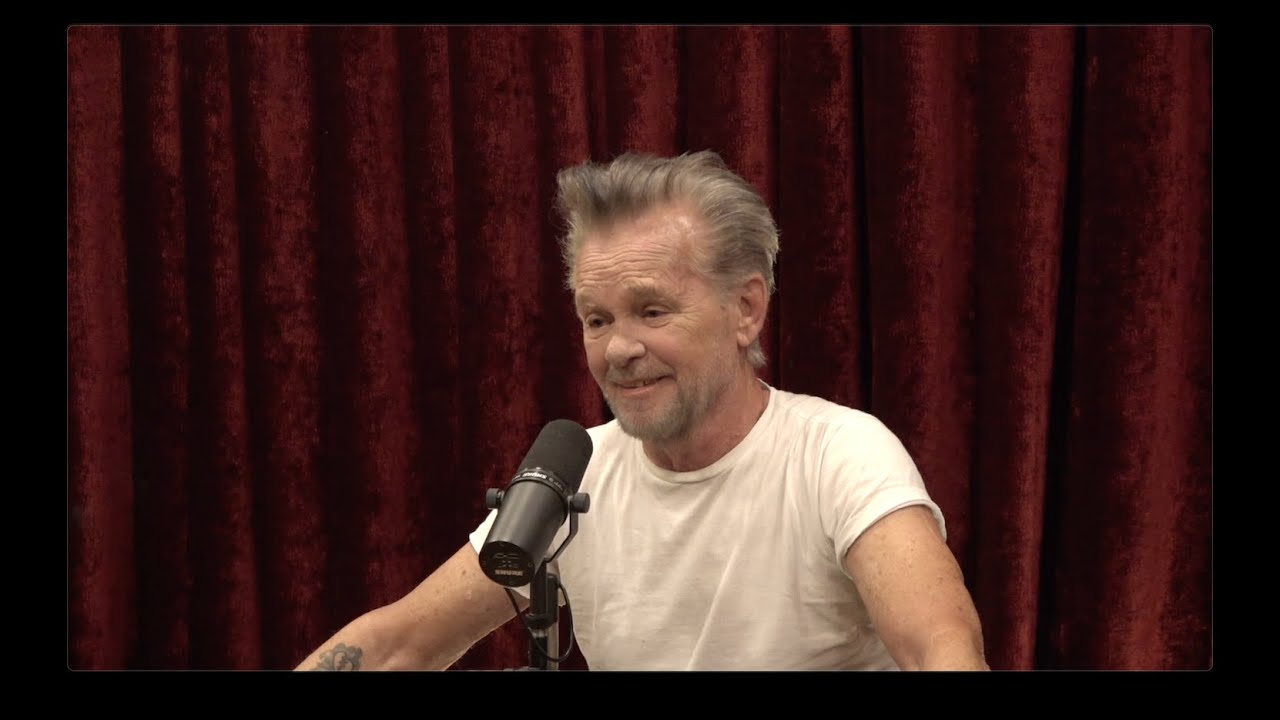
• Introduction • Tattoos and Early Tattoo Culture • Heroin and Drug Use in Past Decades • Personal Battle with Drugs and Violence • Nostalgia and Reflections on Youth • Early MTV Era and Career Beginnings • Overcoming Agoraphobia and Performing Live • Family Life and Parenthood • Health, Heart Disease, and Longevity • Reflections on Politics and Society • Historical Views: The Civil War and Cultural Changes • Changes in Music Industry and Soundscan Impact • Songwriting and Creative Process • Music's Enduring Cultural Importance • Family and Personal Priorities in Later Life • Smoking, Addiction, and Health Attitudes • Friendship with Legends and Life Experiences • Comedy and Cultural Shifts • Early Career Struggles and Inspirations • The Role of Humility and Gratitude • Live Music Today and Future Plans • Changing Media Landscape and Personal Disinterest in Politics • Experiences with Panic Disorder and Mental HealthIn this podcast episode, Joe Rogan hosts John Mellencamp, delving into a wide array of topics spanning Mellencamp's early life struggles, music career evolution, personal challenges, views on health and longevity, cultural and historical insights, and candid reflections on life, art, and society. The conversation unfolds through anecdotes about Mellencamp's experiences with tattoos, drug use, overcoming panic disorder, the impact of MTV, and music industry shifts, as well as discussions on politics, comedy, family, and the significance of gratitude.
Tattoos and Early Tattoo Culture
The episode opens with John Mellencamp and Joe Rogan discussing tattoos, specifically the smudging and aging of tattoos over time. Mellencamp shares that he once owned a tattoo parlor in the mid-1980s in Indiana, during a period when tattoos were illegal in that state. Due to his local reputation, however, authorities allowed him to operate without interference. Both men recall the historical illegality and stigma surrounding tattoos in various regions, including New York, where Mellencamp had to travel out of state to get tattooed originally.
Heroin and Drug Use in Past Decades
The conversation transitions to drug culture, particularly heroin, which was rare during Mellencamp's youth but has since become widespread partly due to the opioid crisis linked to families like the Sacklers. Mellencamp recounts his first sighting of someone injecting heroin in college during an attempted Woodstock-like event, as well as knowing a functional heroin addict who maintained a demanding labor job despite using daily. They contrast the rarity of heroin use in the 1980s with today's epidemic scale.
Personal Battle with Drugs and Violence
Mellencamp candidly shares his teenage years involving alcohol, drugs, and frequent fighting, culminating in a severe beating during college that became a turning point. After being left bruised and nearly falling out of a moving car, he decided to quit drugs and alcohol at 21, cutting off his long hair as a symbol of change. Joe reflects on how surprising it is given Mellencamp's later persona but recognizes the small-town boredom that led him down this path and ultimately helped him find his rock bottom.
Nostalgia and Reflections on Youth
They discuss Mellencamp's ability to capture the essence of youth and nostalgia in his songwriting, particularly through hits like "Jack and Diane." Joe talks about how Mellencamp's music introduced the idea that adolescence, despite its confusion and difficulties, might later be remembered as one of life's best times. Mellencamp reflects on his own journey of grappling with feeling unfulfilled despite commercial success and eventually accepting life's limitations with humility and gratitude.
Early MTV Era and Career Beginnings
Mellencamp provides insight into the dawn of MTV in the early 1980s, recalling how few artists had produced music videos at the time. His early videos, many made in England and Australia where MTV-style programming was more prominent, helped boost his visibility. He tells a story about MTV's promotional giveaway of a house, unknowingly situated on a chemical dump, which led to unexpected complications. Mellencamp's transition from being unknown to a recognized figure symbolized the changing face of music marketing, yet fame also exacerbated his agoraphobia.
Overcoming Agoraphobia and Performing Live
Despite battling agoraphobia for a period after college, Mellencamp found that his rising career forced him to face and gradually overcome it. He recounts having panic attacks on stage before settling into the experience. He also reveals a major heart attack at age 42, which prompted him to reconsider his life priorities, allowing him valuable time at home with his young children and leading to a meaningful pause in his music career.
Family Life and Parenthood
Mellencamp talks warmly about his family, mentioning his five children and grandchildren, and relating anecdotes about raising them while managing his career. He describes setting mixed viewing rules for his kids, such as balancing shows like Fear Factor with educational programs like 60 Minutes, reflecting his protective but realistic parenting style. Having children, especially at a young age, significantly shaped his perspective and grounded him.
Health, Heart Disease, and Longevity
Health concerns take center stage as Mellencamp opens up about familial heart disease, personal cholesterol problems, and skepticism around medications such as statins and metformin. He dives into dietary concerns, critiquing processed foods and lamenting how the American diet contributes to widespread health issues. They discuss emerging supplements like nattokinase—an enzyme from fermented foods—that scientific studies suggest may help reduce arterial plaque, illustrating Mellencamp's interest in alternative health approaches.
Reflections on Politics and Society
Mellencamp expresses disillusionment with politics, emphasizing distrust and polarization in modern times. He reminisces about past eras when bipartisan understanding was more common and voting was a private affair. He critiques the current lack of humility and integrity among politicians and society broadly, encouraging listeners to focus less on partisan divides and more on common morality and respect.
Historical Views: The Civil War and Cultural Changes
In an unexpected historical sidebar, Mellencamp presents a personal interpretation of the Civil War, arguing it was fought primarily over economic reasons such as control of ports, with slavery being used as a political excuse. Joe corrects some of Mellencamp's historical claims with mainstream scholarship, but the discussion highlights how history is often more complex than commonly understood. Both reflect on the cultural shifts and social upheavals surrounding events like Vietnam, Kent State, and the contrast between world wars and later conflicts.
Changes in Music Industry and Soundscan Impact
Mellencamp delves into the evolution of the music industry, explaining the impact of Nielsen SoundScan's introduction, which shifted how radio play was measured and affected artist exposure. He describes how this change favored urban markets and rap music, leading to a decline in prominence for rock bands on the charts. He notes how piracy via platforms like Napster further challenged traditional music distribution, reshaping the industry he had grown up in.
Songwriting and Creative Process
Mellencamp shares his journey from a bar singer who initially did not write songs to becoming an accomplished songwriter despite struggling with dyslexia. He details the creation of iconic songs such as "Hurt So Good" and "Jack and Diane," including his innovative use of early drum machines that were initially opposed by record executives. Despite critical disdain for his early work, Mellencamp knew how to make songs "undeniable," which eventually forced widespread recognition and commercial success.
Music's Enduring Cultural Importance
The discussion highlights the lasting power of music and performance. Mellencamp expresses amazement at how songs like "Jack and Diane" have become ingrained in American culture alongside timeless folklore. He muses on the emotional connection people still have with classic rock and its significance for generations. Joe and Mellencamp marvel at legendary acts like The Rolling Stones continuing to perform with passion and energy well into their 80s, underscoring music's unique ability to inspire and unite.
Family and Personal Priorities in Later Life
Mellencamp reflects on his personal priorities, emphasizing his love for family and the joy of having grown children close by. He recounts encouraging his son to pursue passion over traditional work and values having his family around him. The conversation touches on the bittersweet reality of losing many close friends to substance abuse prematurely, highlighting Mellencamp's blessings in living a life framed by luck and resilience.
Smoking, Addiction, and Health Attitudes
Both Rogan and Mellencamp discuss Mellencamp's lifelong smoking habit, starting at age 10, and his defiant attitude toward quitting despite health warnings. Mellencamp shares humorous stories about quitting attempts and how cigarettes have become intertwined with his identity. They also discuss the broader stresses of life that can lead people to smoking and drinking and recognize the challenge and complexity involved in addiction and lifestyle choices.
Friendship with Legends and Life Experiences
Mellencamp recounts friendships with notable figures like Paul Newman and Joanne Woodward, sharing memorable moments from charity events and personal encounters. These stories reveal his connection to Hollywood and underline his respect for enduring relationships and shared history in the entertainment world. Mellencamp's reverence for classic black-and-white films also surfaces as part of his broader appreciation of history and artistry.
Comedy and Cultural Shifts
The conversation shifts to comedy, with Mellencamp appreciating its evolving nature and highlighting stand-up as a robust and thriving art form today. He praises contemporary comedians like Dave Chappelle and Bill Burr and acknowledges the difficulties comedians face with political correctness and audience sensitivities. They discuss their mutual admiration for Richard Pryor's groundbreaking comedy and the challenges in making bold comedic films in the current cultural climate.
Early Career Struggles and Inspirations
Mellencamp shares early struggles in his music career, such as dealing with difficult bandmates, awkward gigs, and slow recognition. He talks about his time living in England during the rise of punk, encountering political tension like the National Front, and the challenges of breaking through commercially while maintaining artistic integrity. He reflects on managing his identity amid record label pressures, including his troublesome forced name changes from John Cougar to John Cougar Mellencamp.
The Role of Humility and Gratitude
Throughout the episode, Mellencamp emphasizes humility and gratitude as essential to navigating life and success. He advises listeners to appreciate the fleeting nature of existence, avoid taking themselves too seriously, and practice kindness. Drawing on lessons from his grandmother and his own experiences, he encourages embracing life's brevity and treating others with respect despite differences.
Live Music Today and Future Plans
Mellencamp expresses enthusiasm for a forthcoming greatest hits tour featuring two and a half hours of his well-known songs, a concept he once resisted but now embraces. He talks about how performing in intimate theater settings has enriched his connection with audiences, describing the reciprocal energy in live shows. Mellencamp views this phase as a celebration of his lifetime's work, offering fans a chance to experience his music anew.
Changing Media Landscape and Personal Disinterest in Politics
Both Rogan and Mellencamp acknowledge the overwhelming and often divisive nature of modern media and politics. Mellencamp confesses to deliberately avoiding political news due to its toxic effects and shares his experience growing up distrustful of authority figures, a sentiment that remains relevant today. This aversion to political discourse is tied to a broader desire for personal peace and focus on more meaningful pursuits.
Experiences with Panic Disorder and Mental Health
Mellencamp opens up about his panic disorder and how it severely limited him for a time, leading to agoraphobia and inability to leave the house. He credits eventually returning to music as a key element in overcoming this challenge. His frank discussion offers insight into the pressures faced by performers and the complex interplay between mental health, fame, and personal growth.