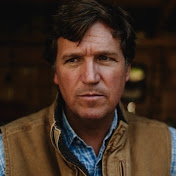
Ian Carroll on America’s Deadliest Mass Shooting and Unanswered Questions They Don’t Want You to Ask

Introduction
Table of contents
• Introduction • The Official Narrative and Its Problems • Evidence of Multiple Shooters and Extended Gunfire • Helicopter Activity and Airspace Anomalies • The Role of Jose Campos and the Hotel's Response • Analyzing Steven Paddock's Profile and Motives • The Political and Geopolitical Context • The Saudi Arabia Connection and Assassination Theory • Suppression, Cover-Up, and Media Silence • Broader Implications on Truth and Justice • Ian Carroll's Investigative Journey and Reflections • The Ongoing Quest for Truth in High-Profile CasesIn this podcast episode, Ian Carroll delves into the complexities surrounding the deadliest mass shooting in American history that took place in Las Vegas in 2017. He examines the official narrative, available evidence, and persistent unanswered questions. The conversation explores inconsistencies in the reported facts, the possibility of multiple shooters, mysterious helicopter activity, potential political motives involving Saudi Arabia, and the broader implications of a cover-up. Ian also reflects on his own investigative journey and the challenges of uncovering truth amid widespread misinformation and institutional silence.
The Official Narrative and Its Problems
The shooting is officially attributed to a lone gunman, Steven Paddock, who allegedly fired thousands of rounds from the 32nd floor of the Mandalay Bay hotel into a crowd attending a Jason Aldean concert, killing 60 and injuring over 400. Paddock was painted as a disgruntled gambler and gun enthusiast with no clear motive who ended his own life as law enforcement closed in. However, the initial story shifted multiple times, such as Paddock's check-in date and specifics about when a security guard named Jose Campos was shot. The official account also describes Paddock breaking out windows to shoot through, yet bodycam footage of police breaching the room failed to reveal any broken windows or shattered glass consistent with the narrative. Door logs and lock statuses from the hotel indicated physical impossibilities, such as doors being locked from the inside while Paddock, allegedly alone and deceased, was inside. This evidence fundamentally challenges the lone shooter story and suggests a more complicated reality.
Evidence of Multiple Shooters and Extended Gunfire
Publicly available surveillance, bodycam footage, and 911 calls indicate numerous reports of active shooters throughout the Las Vegas Strip—even up to an hour and a half after Paddock's reported suicide. Nine police bodycams recorded additional volleys of automatic gunfire near the Bellagio and other casinos far removed from Mandalay Bay. Some victims were shot at trajectories inconsistent with fire coming solely from the hotel's 32nd floor, including parallel to the ground and from overhead angles, which led to widespread speculation about ground-level shooters and shooting from helicopters. Eyewitnesses and investigation of autopsy data support these claims, but such findings have been ignored or suppressed by law enforcement and mainstream media. These revelations imply a coordinated series of shootings at multiple locations, casting doubt on the official "lone gunman" narrative.
Helicopter Activity and Airspace Anomalies
Intriguing evidence points to helicopter involvement during the shooting. Flight radar data and air traffic control audio showed multiple helicopters circling the Mandalay Bay before, during, and after the shooting, some with transponders mysteriously turned off, creating "ghost helicopters" invisible to radar systems. Footage and eyewitness reports confirm the presence of helicopters firing into the night sky, with some aerial positions consistent with the ballistics of shots fired. The puzzling request by air traffic control to turn off runway lights during an active shooter event adds further suspicion. Additionally, an alleged incident involving false identification of a helicopter disguised as a civilian passenger plane augmented theories regarding covert helicopter operations. This aerial component suggests a level of planning and execution incompatible with the official story.
The Role of Jose Campos and the Hotel's Response
Jose Campos, the Mandalay Bay security guard who was reportedly shot through a door by an occupant of Paddock's floor, experienced multiple conflicting official accounts of when and how he was shot. These shifting stories seem designed to protect hotel interests and manage public perception. Campos was later whisked from Mexico to an Ellen show interview arranged and sponsored by the casino, followed by his disappearance from public view. Employees were reportedly gagged with nondisclosure agreements and told the shooting "never happened," ensuring control over narrative and the withholding of surveillance footage. The extreme secrecy—given that Las Vegas casinos are one of the most surveilled environments worldwide—adds to public distrust.
Analyzing Steven Paddock's Profile and Motives
Paddock's persona and background raise as many questions as answers. He was a 60-something real estate investor who had previously worked in defense contracting. Despite having a large arsenal — including 25 weapons and 50 pounds of Tannerite explosive in his car — no credible motive for indiscriminate mass murder has ever been established. Three Hispanic women, whose names were on the hotel reservation alongside Paddock's but who were never publicly acknowledged initially, possibly involving his girlfriend Mary Lou Danley, add ambiguity to his activities. Some investigators speculate Paddock was involved in a weapons sale or arms shipment arrangement gone wrong rather than planning the shooting himself, suggesting he might have been a scapegoat or unwitting participant. The presence of loaded AK-47 magazines without corresponding rifles in the room and complex keycard manipulation further hint at a shadowy context beyond a simple mass shooting.
The Political and Geopolitical Context
This incident occurred less than a year after Donald Trump's election, during a time when tensions in both domestic politics and international relations were high. The targeted crowd primarily consisted of country music concertgoers, many of whom were Trump supporters, raising speculation about potential political motivations. However, a straightforward "gun control false flag" does not fit the facts due to multiple simultaneous violent events and involvement of the airspace and hotels far beyond a simple attack.
The Saudi Arabia Connection and Assassination Theory
A significant portion of the discussion revolves around a complex, politically charged theory involving factions within the Saudi royal family. Muhammad bin Salman (MBS), the crown prince working to modernize and consolidate power in Saudi Arabia, reportedly faced deep opposition from hardline Wahhabi factions allied with al-Qaeda ideologies. These factions allegedly operated covertly within the United States, including Las Vegas. MBS was consolidating power aggressively in 2017, purging rivals, and restricting movements of opposing princes, such as Alwaleed bin Talal, a billionaire stakeholder in the Four Seasons hotel atop Mandalay Bay. The notion advanced by investigative journalists John Cullen and Jason Goodman suggests the shooting was linked to an assassination attempt on MBS or his allies, potentially involving helicopters and armed factions spread across the Strip and nearby airport.
No conclusive public evidence places MBS or his close relatives in Las Vegas during the shooting, though there are significant gaps in his whereabouts in official records. Viral videos purportedly showing MBS during the event were debunked, often representing security personnel instead. The "night of the thousand swords" purge and subsequent brutal imprisonments of royal opposition provide context for the brutality and political stakes. Alignments between the Trump administration and MBS, as well as significant Saudi financial investments into Jared Kushner's ventures post-shooting, add layers to the geopolitical interplay.
Suppression, Cover-Up, and Media Silence
The scale and nature of evidence—bodycam footage, 911 calls, flight radar data, and autopsy reports—has been met with silence, censorship, and misinformation. Social media accounts and independent journalists who pursued alternative narratives faced bans and claims of spreading misinformation, especially following the disclosure that an active shooter drill occurred near the event the day before. The mainstream media quickly moved on after just a few days, leaving many questions unaddressed. Public records like surveillance footage from casino properties remain unreleased despite heavy surveillance in the area.
Gag orders were imposed on hotel employees, key figures disappeared from public view, and inconsistencies remain unchallenged by law enforcement and federal agencies. The official investigations were superficial, with an uncritical FBI endorsement of the lone gunman explanation and behavioral reports on Paddock but no exhaustive inquiry into alternative evidence. The sale of significant MGM stock by executives before the shooting, as well as their subsequent roles in COVID-related government task forces, raise further suspicions about potential conflicts of interest and foreknowledge.
Broader Implications on Truth and Justice
The event exemplifies a wider crisis of trust in government institutions and mass media. The podcast stresses that the burden is on authorities to provide coherent, factual explanations, not on the public to accept incomplete or contradictory narratives blindly. The persistent lack of transparency fuels public frustration, conspiracy theories, and deep division. Unanswered questions about motive, perpetrator(s), and official responses mirror other controversial events like 9/11 and recent political assassinations where official versions leave broad gaps.
Ian Carroll reflects on how this case, like others, requires balancing openness to alternative explanations with rigorous scrutiny of evidence—emphasizing that truth must emerge from facts rather than preconceived narratives. The discussion touches on how societal and political polarization often prevents collective pressure on authorities to investigate thoroughly and how information environments can be manipulated to control public perception.
Ian Carroll's Investigative Journey and Reflections
Ian recounts how he came to research the Las Vegas shooting extensively after the fact, finding his understanding shaped by the foundational work of citizen journalists and researchers like John Cullen, Jason Goodman, and Mindy Robinson. He praises platforms like vegasshootingmap.com—an online archive of primary sources including thousands of 911 call recordings, bodycam footage, and eyewitness reports—that provide invaluable resources for independent inquiry.
Ian also touches on his own rise in the information space: starting with fitness and lifestyle content before shifting focus to political and investigative journalism, leveraging social media platforms like TikTok, X, and YouTube. He acknowledges the challenges of rapid fame and the responsibility of balancing authenticity, careful research, and audience engagement. He highlights the importance of skepticism, inquiry, and the willingness to entertain difficult truths, especially when official stories fail to align with observable facts.
The Ongoing Quest for Truth in High-Profile Cases
Lastly, the conversation briefly parallels the Las Vegas episode with other unresolved or suspicious cases, emphasizing the failure of authorities to deliver closure or truthful explanations. Ian stresses that the public deserves clarity on events with profound impacts, such as the Las Vegas shooting and the more recent political assassinations, and he asserts a commitment to pursue these truths despite obstacles. The episode closes by underscoring the importance of transparency, accountability, and sustained journalistic effort to challenge official narratives that don't withstand critical scrutiny.
Full episode
Episode summary