Introduction
Table of contents
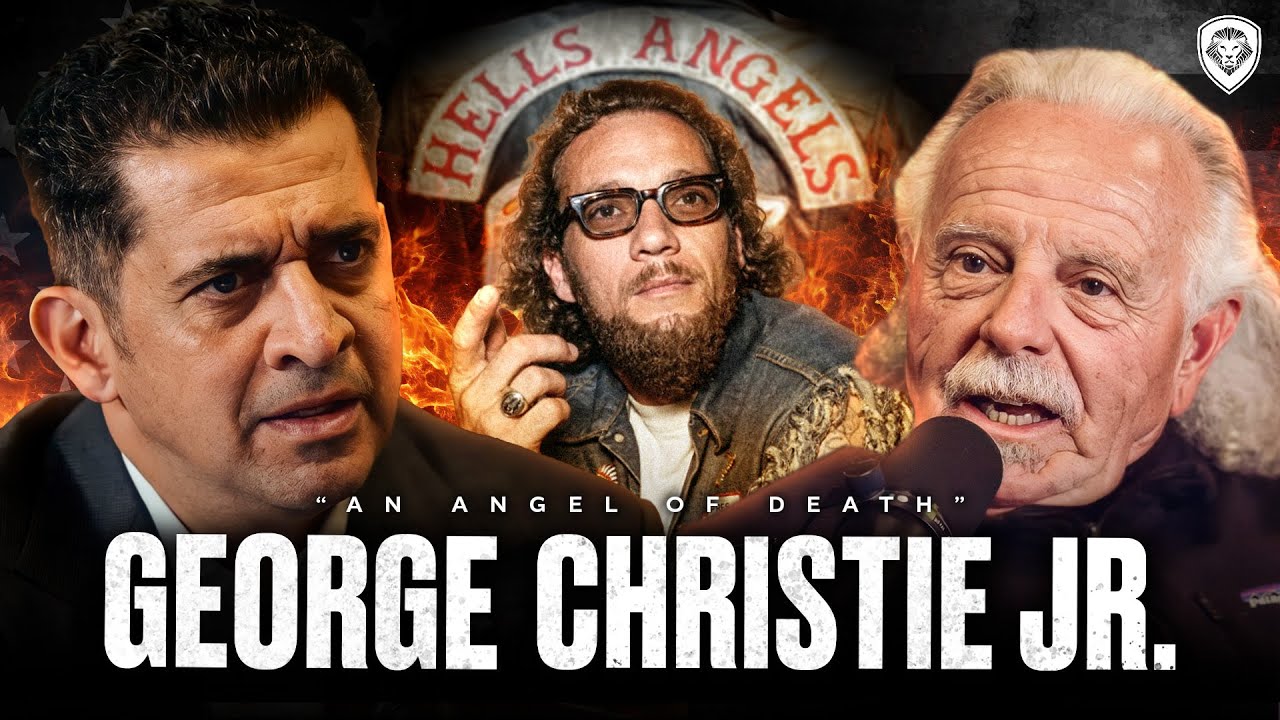
• Introduction • Early Fascination and Recruitment • The Origins of Outlaw Motorcycle Clubs • Rivalries and Wars with Other Clubs • The Role and Reputation of Sonny Barger • George Christie's Rise to Power and Philosophy • Relationship with Law Enforcement and Government • Internal Politics and Fallout with Sonny Barger • Notorious Incidents and Club Violence • The Role of Informants and FBI Infiltration • The Business Side and Financial Realities • Relationship with Other Outlaw Entities and Organized Crime • Patriotism and Cultural Identity • Media Representation and Public Perception • Personal Reflections and Legacy • Relationship with Law Enforcement and Politics • Stories of Key Members and Allies • Interactions with Celebrity and Popular Culture • Final Works and Continuing InfluenceIn this podcast episode, George Christie, a former high-ranking leader within the Hell's Angels motorcycle club, shares an extensive and candid account of his experiences inside the outlaw biker world. From the origins of the Hell's Angels and biker culture to the gritty realities of internal club dynamics, rivalries, law enforcement conflicts, and personal reflections on power and leadership, Christie provides a rare insider's perspective. His stories encompass key figures like Sonny Barger, infamous events shaping the club's history, the relationship with law enforcement, and the blurred lines between outlaw culture and organized crime.
Early Fascination and Recruitment
George Christie's fascination with motorcycles and outlaw culture traces back to the 1950s when, as a young boy, an image of a man on a chopped Harley-Davidson sparked a dream of becoming an outlaw, distinct from being a criminal. Raised in Glendale, California, he was introduced early to the world of motorcycles and clubs associated with the Hell's Angels, such as the Question Marks and the Saint Slaves. Coming from a military family, with both parents as WWII veterans, he inherited a sense of discipline and structure, which later proved vital in his role within the club. His entry into the Hell's Angels began in the mid-1970s after meeting "Old Man John," who saw in him the qualities to bring order and leadership to the undisciplined group in Los Angeles.
The Origins of Outlaw Motorcycle Clubs
Christie traces the outlaw biker culture to the post-World War II era, specifically citing 1948 as the kickoff year tied to the rebellious motorcycle gatherings in Hollister, California. These groups consisted mainly of disaffected veterans returning from the war, many suffering from undiagnosed trauma, who found camaraderie and identity in biker clubs. The American Motorcycle Association labeled some groups as "1%," implying they were the outlaws spoiling the reputation of the other 99%, a label the clubs embraced proudly. The culture expanded, eventually spreading internationally and becoming a global phenomenon.
Rivalries and Wars with Other Clubs
A significant portion of Christie's narrative revolves around the intense and often violent rivalries Hell's Angels had with other motorcycle clubs, especially the Outlaws, the Mongols, the Bandidos, and the Vagos. The conflict with the Mongols reached brutal intensity by the late 1970s, highlighted by bombings and violent street fights, including incidents where innocent youths were tragically killed. The war with the Outlaws was equally savage, involving kidnappings, executions, and drive-by shootings that left numerous fatalities on both sides. Christie describes many of these conflicts as fiercely territorial but also plagued by cycles of revenge and internal strife. Efforts at peace negotiations occurred sporadically, including talks with Bandidos' international leader George Waggers, but personal animosities sometimes eclipsed pragmatic benefits.
The Role and Reputation of Sonny Barger
Sonny Barger emerges as a towering figure in Hell's Angels, whose reputation for ruthlessness and control is rivaled only by his complicated personality. Christie highlights Barger's approach to leadership as highly authoritarian: if an idea wasn't Sonny's, it wasn't a good idea, regardless of its broader impact. Barger was known for being jealous and unforgiving, with a pattern of decisively dealing with perceived threats within the club, often resulting in violent outcomes—some still unsolved years later. At the same time, he was charismatic, commanding respect and awe. Barger's life journey—from prison time to establishing a dominant chapter in Arizona—illustrates a figure both feared and revered within the culture. Despite his violent past and numerous internal enemies, he managed to live to 83, a longevity Christie partly attributes to the fear and respect he commanded.
George Christie's Rise to Power and Philosophy
Christie explains how he maneuvered upwards within the Hell's Angels from a new recruit to a key leader, including a stint as president of the Los Angeles charter. His military background, intelligence, and strategic thinking earned comparisons to historical crime strategists like Meyer Lansky as the "brains" behind operations. He stresses the delicate balance of gaining respect through fear—not outright hatred, but a reputation instilled through deliberate action and by being willing to "go to war" when necessary. Key episodes, such as retrieving an unexploded bomb that others wanted to ignore, served to cement this reputation. He frames himself as an advocate for peace within a culture predisposed to aggression, emphasizing that true peacemakers must also be prepared for conflict.
Relationship with Law Enforcement and Government
Christie's complex relationship with law enforcement is underscored by instances where his legitimate employment conflicted with his Hell's Angels membership. Holding a top-secret security clearance while leading the Los Angeles Hell's Angels chapter, he was eventually forced by the Department of Defense to choose between his government job and club involvement. He chose the club, highlighting his allegiance to the outlaw identity even against institutional pressure. Christie also recounts numerous federal investigations, indictments, and trials targeting the club, comparing Hell's Angels to an organization "with criminals in it," rather than a purely criminal enterprise. He shares how legal battles have been shaped by media portrayals, public misconceptions, and efforts to brand the Hell's Angels as a gang rather than a club—a distinction with significant courtroom implications.
Internal Politics and Fallout with Sonny Barger
Despite their early camaraderie, Christie and Barger eventually diverged over leadership and vision for the club. Christie desired a more decentralized structure to avoid the vulnerabilities inherent in a centralized "empire," while Barger maintained a more hierarchical approach, often leading to clashes. Their personal relationship deteriorated, culminating in disputes over media portrayals and club direction. Christie recounts a final confrontation in the mid-2000s where Barger declared his authority absolutist, refusing to publicly reconcile or share power. Christie interprets Barger's approach as treating the club as if it "belonged to him," whereas others saw it as a brotherhood. These tensions reflected broader factional divides within the Hell's Angels.
Notorious Incidents and Club Violence
The discussion covers several infamous and brutal moments in the Hell's Angels' history, including unsolved murders, internal killings, and violent confrontations with rivals. Stories of "hot shots"—poisonous drug injections intended to kill troublesome members—illustrate the dark side of club discipline. Christie names various figures involved in these violent acts, including Paul "Animal" Hibbitz's admission of involvement in such executions. Christie also touches on high-profile violent episodes like the shootout at the Laughlin casino and the ambushes and executions ordered during wars with rival clubs. These violent undercurrents, while sometimes strategic, also reveal the chaotic and vengeful nature of outlaw biker politics.
The Role of Informants and FBI Infiltration
Christie details controversies involving informants who infiltrated the Hell's Angels, notably Anthony "Tony" Tate, an FBI operative embraced by Sonny Barger as the club's future leader before his exposure and the subsequent collapse of trust. The infiltration led to multiple arrests and convictions of prominent members. Christie also discusses other informants, including women within the club's inner circles paid by the FBI to provide intelligence. These betrayals caused deep fractures and paranoia within the club, contributing to infighting and leadership struggles. Christie alludes to the difficulty in identifying informants and the high stakes of trust in such an environment.
The Business Side and Financial Realities
Though often pictured purely as outlaws, Christie offers insight into the economic aspects of the club, including legitimate business ventures such as tattoo shops, concert promotions, and apparel companies. However, illicit activities centered around narcotics—particularly control of Vicodin and other prescription drugs—formed significant revenue streams, sometimes out of reach for leadership due to secretive side operations by some members. Christie candidly discusses the complexities of managing these enterprises alongside legal scrutiny, including large-scale indictments tied to drug markets. He reflects on the contradictions of making money in illegal markets while also desiring legitimacy and distancing from overt criminality.
Relationship with Other Outlaw Entities and Organized Crime
The podcast touches on Christie's interactions with figures from the Mafia and other organized crime groups, including ties to figures like Michael Franzese and Rosario Gambino. Christie describes varied degrees of contact, comparing the brutality and operational differences between biker clubs and traditional Mafia families. While both engaged in criminal enterprises, the biker clubs operated more diffusely, often with violence aimed at rival clubs and outsiders, whereas Mafia violence tended to be internally directed. Christie recounts experiences of encounters with key mob figures and the cultural distinctions, as well as the occasional overlap in illicit activities.
Patriotism and Cultural Identity
Despite the outlaw label, Christie emphasizes that many Hell's Angels members were veterans and held deep patriotic values. He shares his belief that the club embodied American patriotism, especially given the number of ex-military men within its ranks. The club historically espoused pride in country and often opposed perceived threats to American society. However, Christie admits that political involvement was a complicated matter, as adopting explicit political stances risked internal division. The Hell's Angels took part, at times, in community policing and maintaining order in their territories, contributing a paradoxical layer to their public image.
Media Representation and Public Perception
Christie recounts battles over the club's media portrayal, including disputes with Sonny Barger over unauthorized interviews that painted the Hell's Angels in a negative light. He reflects on law enforcement and judicial efforts to frame the club as a gang in court proceedings, which he insisted was inaccurate and damaging. In an attempt to control the narrative, Christie engaged in television interviews, authored books, and participated in documentaries to offer a more nuanced understanding of the group. He also discusses the influence of cultural products like Hunter S. Thompson's book and the impact of television shows such as "Sons of Anarchy" on public perception.
Personal Reflections and Legacy
Toward the end of the conversation, Christie discusses his departure from the club in 2011, describing his decision as a voluntary exit prompted by the increasing internal conflicts and the escalating wars on multiple fronts, including with the Vagos. He lamented that the club had become what they initially rebelled against, warning that internal strife would only worsen. Christie expresses pride for navigating the dangers of outlaw leadership, surviving assassination attempts, and maintaining his principles. He continues to write and speak about his experiences, sharing lessons about loyalty, power, and the complexities of leading within a violent subculture.
Relationship with Law Enforcement and Politics
Christie's experience with law enforcement was multifaceted, ranging from friendships with "old" cops who respected the club's informal order to adversarial confrontations with newer officers and federal authorities. He explains a respectful boundary maintained with trusted officers, based on mutual understanding and non-interference. He denies systemic corruption or political buy-offs, asserting the Hell's Angels controlled their territories through strength and reputation rather than bribery. Christie contrasts the biker clubs' internal justice with the fading influence of the Mafia in maintaining street order, reflecting on how modern social changes challenge traditional enforcement dynamics.
Stories of Key Members and Allies
Throughout the podcast, Christie shares anecdotes about powerful Hell's Angels members such as Irish O'Farrell, a tough Oakland leader who succeeded Barger in some capacities and met a violent end at the hands of the Aryan Brotherhood. The stories also include characters like "Terry the Horse" and "Paul Animal Hibbitz," illustrating the internal power struggles and violent enforcement of loyalty. He recalls relationships with women within the club and how romantic loyalties intersected with informant betrayals. Christie also identifies contentious rivalries and rival club leaders, elucidating the complex web of alliances and hostilities defining the outlaw biker world.
Interactions with Celebrity and Popular Culture
Christie recounts situating himself and the club in wider popular culture, including notable encounters with figures such as Hunter S. Thompson, Michael Douglas, and the production of media projects like "Masters of Menace." He shares a humorous story involving the daughter of actor John Voight (also popularly known as Angelina Jolie) attending club events, demonstrating the surprising interfaces between outlaw culture and mainstream Hollywood. These interactions exemplify the dual nature of the Hell's Angels as both feared criminals and cultural myths, their image manipulated and reinterpreted across decades.
Final Works and Continuing Influence
George Christie concludes by promoting his latest memoir and related challenge coin, framing the book as his final major account of his Hell's Angels experiences. He emphasizes the importance of sharing an authentic view of outlaw leadership, comparing club dynamics to ancient military legions and the enduring nature of those social bonds. While separated from the club, Christie remains influential within the biker subculture through his publications and media presence. His reflections offer insights into the complexities and contradictions of a lifestyle shaped by loyalty, violence, camaraderie, and the pursuit of identity beyond mainstream society.
Full episode
Episode summary