Tucker’s Brother Buckley Carlson on Dogs, Childhood, Nicotine, Frank Luntz and America’s Future
Introduction
Table of contents
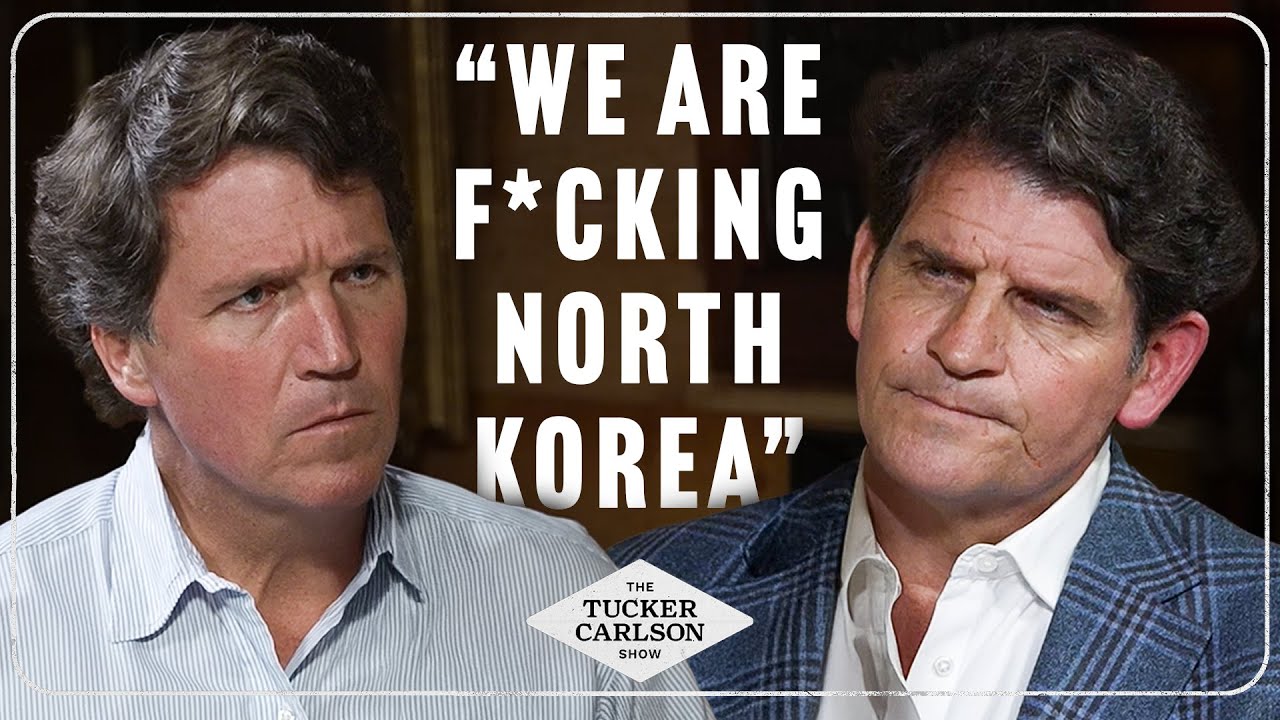
• Introduction • Twitter and Social Media • Encounters with TSA and Personal Freedom • Childhood and Family Upbringing • School Challenges and Parental Advocacy • Dogs and Their Importance • Nicotine and Smoking Culture • Alcohol, Sobriety, and Personal Growth • Childhood Experiences of Risk and Adventure • Political and Professional Career • Frank Luntz and the Messaging Machine • Reflections on American Culture and Intelligence Community • Spirituality and Faith • Family Loyalty and Personal Integrity • Encounters with Elite Circles and Social Elites • Nostalgia for a Lost America • Conclusion: Commitment to Defend What MattersIn this podcast episode, Buckley Carlson, brother of Tucker Carlson, dives into a broad range of topics including his upbringing, attitudes towards nicotine and alcohol, his relationship with dogs, experiences with notable figures like Frank Luntz, and reflections on America's cultural and political trajectory. The conversation touches on family values, personal challenges, spirituality, and societal changes witnessed over the decades.
Twitter and Social Media
Buckley Carlson shares his recent foray into Twitter—now known as X—highlighting how his presence there unexpectedly brought attention due to mistaken identity with Tucker's son who shares his name. Although initially a casual reader since 2010, Buckley has recently engaged more actively, enjoying the creativity and stimulating discussions the platform offers despite its addictive nature. He mentions the changing media landscape, where traditional sources fade and platforms like X and unsanctioned news outlets become critical sources of information. He also reflects on the limited freedom of expression on social media, noting how people lack humor and strict moderation sometimes stifles genuine discourse.
Encounters with TSA and Personal Freedom
Discussing travel experiences, Buckley recounts difficult encounters with TSA, lamenting the humiliations involved in modern airport security such as invasive pat-downs and intrusive biometrics. Although he has tried polite approaches emphasizing manners, he admits to eventually becoming compliant due to the system's rigid demands. He humorously describes a strategy of feigning enjoyment during these searches to shorten the ordeal. Despite his usual armed presence, he was unarmed in Florida for safety reasons tied to air travel. These experiences underscore his broader concerns about losing freedom and dignity in everyday American life.
Childhood and Family Upbringing
Buckley fondly recalls his privileged but unconventional childhood alongside Tucker, marked by creativity, freedom, and strong family loyalty. Their father, a busy and extraordinary man, made them the central priority and cultivated an environment that demanded respect but allowed wide latitude for personal exploration. The family was enriched by books, engaging friendships, and expansive outdoor experiences, including visits to Mexico, which Buckley remembers with affection despite its dangers. Childhood was free of trivial boundaries, fostering imagination and joy, a stark contrast to modern restrictive and scripted upbringings.
School Challenges and Parental Advocacy
Buckley discusses his principled and sometimes confrontational stand against the progressive ideological indoctrination prevalent in their children's school, a wealthy Episcopal institution in Washington, D.C. He resisted race-based segregation, anti-masculinity narratives, and gender ideology promoted there, often at personal social cost. While others acquiesced for the sake of social harmony, Buckley prioritized protecting his son's intellectual and moral development. His approach was marked by polite persistence and frankness that attracted both animosity and reluctant admiration among fellow parents.
Dogs and Their Importance
Dogs represent a vital part of Buckley's life, both in his childhood and adulthood. He speaks eloquently about their wisdom, intuitive abilities, and emotional honesty, seeing them as pure, forgiving beings who communicate deeply with humans. Buckley emphasizes the value of raising children in families with dogs to instill love, responsibility, and a frame of reference outside human family dynamics. He sees dogs as sources of unconditional joy and affection, comparing the loss of a cherished dog to a profound emotional blow. With five dogs currently, he treasures each uniquely, expressing the philosophy of making every dog feel like a favorite.
Nicotine and Smoking Culture
Buckley and Tucker reminisce about the family tradition of smoking unfiltered cigarettes, a near-universal habit among their relatives and acquaintances during their youth. Despite widespread public health campaigns, Buckley admits he smoked with joy and defiance, viewing cigarettes as companions and even self-defense tools. He considers reintroducing smoking and critiques the current societal disdain for smokers, contrasting it with the acceptance of other substances and lifestyles. The discussion touches on the changing social attitudes toward tobacco alongside regulations, pricing, and accessibility.
Alcohol, Sobriety, and Personal Growth
Buckley candidly reflects on his struggles with alcohol, describing a period of drinking that affected his life significantly and prompted multiple run-ins with authorities. Inspired by the birth of his son and divine intervention experienced by his wife, Buckley committed to sobriety over twenty years ago. He shares the physical and emotional challenges of quitting, including withdrawal symptoms and recurring nightmares. His sobriety journey is framed as a transformative experience, improving his life and aligning with his commitment to responsibility and fatherhood.
Childhood Experiences of Risk and Adventure
Buckley recounts multiple risky episodes in his youth, including crashing vehicles like airplanes, motorcycles, and boats, often under the influence or exhaustion. He shares a harrowing story of nearly falling asleep while flying a plane near an international airport. These anecdotes underscore a reckless phase in his life before sobriety and maturity, balanced against an enduring love for adventure and learning. His youthful recklessness contrasts with his more grounded and intentional approach to life today.
Political and Professional Career
The conversation touches on Buckley's career in communications, political work, and corporate speechwriting. He reflects on his time as communications director for the Maryland Republican Party and his role in high-profile political campaigns. Several political figures, including Michael Steele, are discussed with nuanced critique, noting Steele's early promise but eventual fall from grace through corruption and opportunism. Buckley's experience with Frank Luntz, the Republican pollster and messaging strategist, features prominently.
Frank Luntz and the Messaging Machine
Buckley offers an insider's perspective on working for Frank Luntz, describing him as a brilliant but deeply flawed individual with a relentless, shameless personality. Luntz is portrayed as a master of political messaging, pioneering focus group strategies and memorable political terms like "climate change" and "death tax." Buckley shares anecdotes illustrating Luntz's abrasive, sometimes humiliating tactics aimed at executives, highlighting his complex charisma and professional effectiveness. Luntz's role in corporate America and Republican politics, including controversial ties to Purdue Pharma and the opioid crisis, is acknowledged with regret and reflection.
Reflections on American Culture and Intelligence Community
Buckley and Tucker lament the current state of American society, contrasting it with the freer, more open culture of their youth. They discuss the pervasive influence of intelligence agencies, government propaganda, and the erosion of trust in information sources. Buckley reveals his early naiveté about government intentions, which gave way to a more sinister understanding shaped by recent events, including election concerns and media suppression. The pervasive censorship and loss of open dialogue in America are explored alongside changes in schooling that suppress free thought and creativity.
Spirituality and Faith
Despite a WASP cultural background that discouraged spiritual discussion, Buckley describes a personal awakening to faith and the importance of religion in his life, citing influences like the black church he attended as a child. He acknowledges God's role in guiding him and shaping his character, especially in overcoming personal struggles. The episode highlights the spiritual veil that people in their culture rarely lifted, and the profound effect embracing a faith-centered worldview has had on his outlook.
Family Loyalty and Personal Integrity
Throughout the conversation, themes of family loyalty, fairness, and personal courage arise. Buckley emphasizes the meritocratic values instilled by his father, who treated him and Tucker equally and with respect. The family's commitment to speaking truth, showing bravery, and standing for principles even when unpopular is a recurring motif. Buckley recounts instances of confronting peers and systems, such as school administrations and anti-freedom movements, reflecting a lifelong resistance to cultural conformity and cowardice.
Encounters with Elite Circles and Social Elites
Buckley recalls navigating the upper echelons of Washington society and corporate America, often encountering figures who blend ambition, duplicity, and status anxiety. He mentions subtle and overt anti-WASP sentiments he faced from individuals like Frank Luntz and Bill Kristol, noting how underlying cowardice often breeds self-loathing and hostility. His observations expose the contradictions and fragility of elite circles that demand conformity despite their claims of openness and sophistication.
Nostalgia for a Lost America
The podcast conveys a pervasive sense of mourning for a vanished America characterized by creativity, freedom, and community values. Buckley and Tucker contrast their adventurous and principled upbringing with the present-day environment marked by surveillance, censorship, and ideological rigidity. They call for the restoration of decency, courage, and individuality as foundational American attributes, warning about the perils of abandoning these ideals.
Conclusion: Commitment to Defend What Matters
Buckley closes by asserting that every person must defend what they love and live with purpose. Citing Rick Warren's "final exam" metaphor, he frames life's ultimate questions around faith and fulfilling one's calling. His renewed public engagement on social media and in cultural debates arises from a deep love of country and a sense of duty to stand against forces he perceives as destructive. The episode ends on a note of resolute determination and the desire to battle for America's soul.
Full episode
Episode summary