Introduction
Table of contents
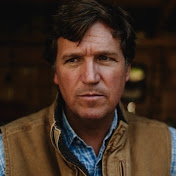
• Introduction • Why Did This War Happen? • The Point of the War: Israeli Regional Hegemony • U.S. Involvement and Its Consequences • The Fragility of Regional Alliances and Israel's Strategic Calculations • Broader Global Impact: Europe and the Multipolar World • The Role of Turkey and Shifting Alliances • Domestic American Politics and Media Narratives • The Spiritual Dimension and the Corruption of Christian Leadership • Calls for Truth and Transparency • Foreign Influence and Loyalty in U.S. Government • Protecting Americans Abroad and U.S. Policy Failures • The Danger of Escalation and Risks Ahead • The Imperative to End the War and Reclaim U.S. Sovereignty • The Role of Immigration and Domestic Ethnic Divisions • A Vision for Peace and Spiritual RenewalIn this podcast episode, Tucker Carlson offers an extensive analysis of the ongoing war in Iran, exploring the origins, motivations, and consequences of the conflict. He delves into the role of Israel, U.S. involvement, geopolitical dynamics in the Middle East, and the broader global implications. The discussion also touches on domestic repercussions in the United States, media narratives, and the spiritual dimensions influencing public discourse and leadership.
Why Did This War Happen?
Carlson begins by asserting that the war is primarily Israel's war, not America's. He claims that Israel, under Prime Minister Benjamin Netanyahu, demanded regime change in Iran and lobbied intensively for U.S. military involvement. This was not about American national security or preventing an imminent Iranian nuclear threat, as Israeli leaders have candidly admitted the nuclear threat was overstated for decades. The U.S. government acquiesced largely due to Netanyahu's persistent pressure and the political calculus within Washington, despite known risks and lack of a clear plan for what would follow Iran's government's removal. Carlson stresses that historically, the U.S. has lacked the political will to oppose Israel decisively, highlighting the last overt American refusal to enable Israeli nuclear ambitions under President John F. Kennedy. The current dynamic reflects a continuation of a longstanding pattern of U.S. deference to Israel's foreign policy agenda.
The Point of the War: Israeli Regional Hegemony
The core motivation behind Israel's push for war is, Carlson argues, regional dominance. Israel seeks to establish itself as the unrivaled hegemon in the Middle East, controlling its surroundings without the interference of hostile neighbors like Iran. This ambition involves not only neutralizing Iran's influence but also destabilizing and weakening rival Gulf states that form the Gulf Cooperation Council (GCC). These six Sunni Arab monarchies—Saudi Arabia, UAE, Qatar, Bahrain, Oman, and Kuwait—are pivotal regional powers and U.S. allies. Israel views them both as obstacles and collateral damage in its quest for supremacy. By escalating conflict with Iran, Israel aims to diminish the Gulf states' power and send a strong signal that the U.S. presence in the region can no longer be relied upon for their defense. This strategic chaos benefits Israel's territorial and political expansion and weakens competing blocs.
U.S. Involvement and Its Consequences
U.S. military participation stems from Netanyahu's demands and Washington's reluctance to be sidelined rather than from American interests. Carlson highlights how the White House and Pentagon have faced immense pressure, and while the official stance denies plans for large-scale ground forces, the reality is that regime change requires boots on the ground—an outcome that is politically unpopular but increasingly probable. The American public is largely unaware or unsupportive, with casualties already occurring and more expected. The war risks fracturing domestic social cohesion at home, while simultaneously straining relations with key U.S. allies in the Middle East and Europe. The Gulf states, reliant on American protection and economic ties, feel vulnerable and betrayed, as Iranian missile attacks hit strategic infrastructure without adequate defense responses. The damage to global energy markets, especially with disruptions in liquefied natural gas exports from Qatar, threatens inflation and economic instability worldwide, particularly hurting Europe.
The Fragility of Regional Alliances and Israel's Strategic Calculations
Carlson emphasizes the complexities within Middle Eastern alliances. Israel has long exploited historical rivalries among Arab states, fomenting distrust and division within the GCC. While these monarchies share concerns about Iran, their populations and priorities differ significantly. Israel's indirect attacks and provocations destabilize the region under the guise of countering Iran but in reality serve Israeli hegemonic goals. The war risks triggering revolts in Shiite-majority areas of GCC countries such as Bahrain and destabilizing vital energy export routes, compounding vulnerabilities for all involved. This calculated gamble positions Israel as a disruptor that does not prioritize regional stability or American interests.
Broader Global Impact: Europe and the Multipolar World
Europe emerges as a significant casualty of the conflict. The Gulf's closure of key energy exports to Europe exacerbates an already fragile economic environment, with inflation and energy shortages looming. The shutdown of Qatari liquefied natural gas shipments—the equivalent of 20% of the global supply—inflicts harm on Asian and European economies alike. A prolonged collapse or chaotic disintegration of Iran could trigger new waves of refugees, reminiscent of past Middle Eastern conflicts, further straining European social and political structures. Carlson views these ripple effects as deliberate outcomes designed to weaken both Europe and the United States, further reshaping a world moving from unipolar U.S. dominance to multipolar complexity involving powers like China, India, and Russia.
The Role of Turkey and Shifting Alliances
Turkey's growing influence in Syria and the broader region is seen as a new strategic threat by Israeli leadership. Carlson outlines how Israel perceives Turkish President Erdogan as a sovereign actor unwilling to be controlled, unlike other regional players. This independent streak makes Turkey a problematic actor for Israel's ambitions, paralleling the role Iran has played. The geopolitical landscape is thus increasingly unstable, with Turkey, Qatar, and Iran forming an informal counterbalance to Israeli and Gulf interests.
Domestic American Politics and Media Narratives
Carlson critiques the U.S. media and political establishment for misleading the public about the war's nature and objectives. He notes how leaders like Senator Tom Cotton downplay the possibility or necessity of ground troops, while officials implicitly acknowledge that regime change cannot be achieved solely through airstrikes. The media's framing often obscures Israel's central role in driving the conflict and silences dissenting voices within the conservative movement and broader society through accusations of bias or disloyalty. Advocates of the war demonstrate a disturbing disregard for American lives, treating casualties as acceptable costs for foreign objectives. This has fostered divisiveness, censorship, and radicalization in American political culture, exacerbated by racial and religious hostilities fomented by some political and religious leaders.
The Spiritual Dimension and the Corruption of Christian Leadership
A significant part of Carlson's argument shifts to the spiritual consequences of the war and the violence it incites. He condemns prominent American evangelical leaders who support and even justify violence as divinely sanctioned, accusing them of corruption and heresy. He contrasts this with traditional Christian teachings on peace and humility, arguing that true spiritual leadership should seek reconciliation and resist bloodlust. The embrace of war as a sacred cause has enabled dehumanization and hate, fueling cycles of violence and societal fragmentation. This spiritual war, according to Carlson, disproportionately targets sincere Christians both abroad in conflict zones and at home, where divisions are deepening and civil peace is under threat.
Calls for Truth and Transparency
Throughout the discussion, there is a persistent call to uncover and confront uncomfortable truths. Carlson stresses the importance of transparency, citing the continued secrecy around critical historical events such as the Kennedy assassination and 9/11 as examples of how classified information undermines democracy and breeds conspiracy theories. He questions the intelligence used to justify war with Iran, which originated from Israeli sources, urging that such claims be openly scrutinized. Clear and honest communication from governments is portrayed as essential to restoring trust and preventing further societal divides.
Foreign Influence and Loyalty in U.S. Government
Carlson raises concerns about the influence of foreign loyalties within the U.S. government, specifically highlighting individuals who have served in foreign militaries, particularly Israel's, while holding positions in American politics and policymaking. He argues this creates conflicts of interest that undermine national sovereignty and policy decisions, especially in matters of war and peace. The lack of clear rules and cultural expectations regarding loyalty to the United States is criticized as a structural failure, one that needs urgent reform to ensure American interests are placed above foreign allegiances.
Protecting Americans Abroad and U.S. Policy Failures
Another urgent issue raised is the safety and evacuation of hundreds of thousands of Americans living, working, or traveling in the Middle East, many of whom found themselves stranded amid escalating violence. Carlson criticizes the U.S. State Department for failing to anticipate or mitigate these risks, pointing to the lack of timely embassy evacuations and insufficient logistical support. The redeployment of missile defense systems from key Gulf allies to Israel exacerbates vulnerabilities for both American personnel and friendly nations in the region. These missteps further strain U.S. credibility and highlight the misalignment between declared U.S. priorities and operational decisions.
The Danger of Escalation and Risks Ahead
Carlson outlines the grave risks inherent in continuing the conflict. The potential for Iranian retaliation against Israel, including the use of hypersonic missiles, could provoke a nuclear response from Israel. The destruction or attack on the Al-Aqsa Mosque in Jerusalem, an extremely sacred Islamic site, could ignite widespread religious wars spanning generations. He warns that false flag operations or mistakes committed in this volatile environment could spiral into catastrophic global conflict. The presence of radical factions on all sides, empowered and emboldened by the violence, diminishes prospects for peace and escalates dangers exponentially.
The Imperative to End the War and Reclaim U.S. Sovereignty
Ultimately, Carlson argues that the United States should withdraw immediately from the conflict and reassess its relationship with Israel's government. He warns that prolonged involvement offers no benefit to Americans and only amplifies risks to lives, economy, and national stability. A fundamental reassertion of American interests and sovereignty over foreign policy is needed to prevent further manipulation by foreign powers or ethnic lobbies. Carlson stresses the need for an American government dedicated solely to the welfare of American citizens and calls for ending foreign influence that compromises U.S. independence.
The Role of Immigration and Domestic Ethnic Divisions
Carlson expands on how the importation of ethnic conflicts via immigration complicates U.S. foreign policy and domestic unity. He notes that immigrant communities often lobby the U.S. government to intervene in their countries of origin, pulling the U.S. into foreign wars that lack broad national support. This dynamic risks fragmenting American society along ethnic lines and undermining the shared culture necessary for national cohesion. An abandonment of the "melting pot" ideal has given way to a divisive environment where foreign loyalties interfere with American governance.
A Vision for Peace and Spiritual Renewal
Closing on a hopeful spiritual note, Carlson shares an invocation emphasizing peace, righteousness, and love as true sources of strength. He contrasts this with the prevailing culture of violence and divisiveness that war amplifies. This plea calls for society to seek unity under the principles of justice and goodwill rather than succumbing to bloodlust and hatred, outlining an alternative path to the chaotic and destructive cycle currently unfolding.
Full episode
Episode summary