James Fishback on DeSantis’s Attack on Free Speech, Randy Fine’s Bloodlust, & America Last Globalism
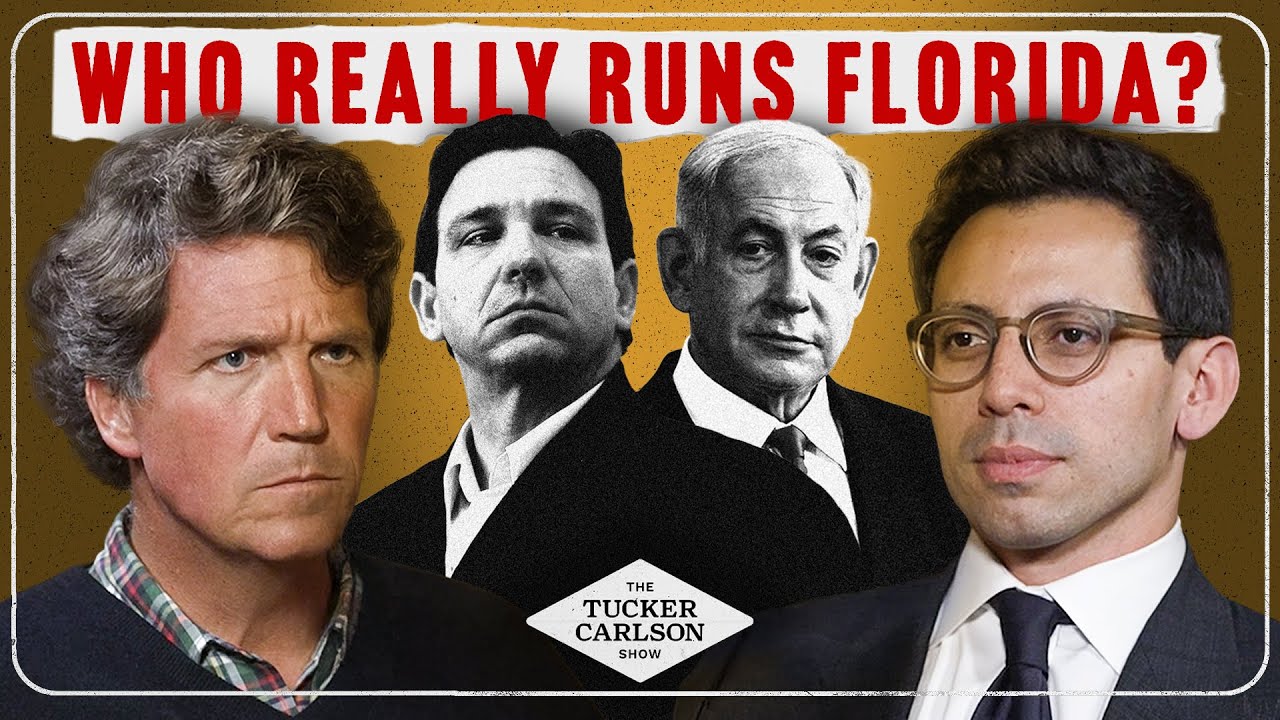
Introduction
Table of contents
• Introduction • Reason for Running for Governor • Immigration and Education Policy • The Decline of Florida's Citrus Industry • Foreign Influence in Florida Politics • Hate Speech Law and Free Speech Concerns • Political Opposition: Randy Fine and Byron Donalds • The Role of Identity Politics and Race • Shift in Fishbach's Political Views • Foreign Policy and Israel Criticism • Housing and Economic Policy • Controversies and Political Attacks • The Future of the Republican Party and Campaign Strategy • The Role of Free Speech and Censorship in Florida • Voter Engagement and Primary ChallengeIn this podcast episode, James Fishbach discusses his run for governor of Florida, addressing a wide range of issues including immigration, education, economic policy, political corruption, and cultural identity. He critiques what he terms "America Last Globalism," the perceived erosion of American values in favor of foreign interests, and delves into controversies surrounding Florida politics, including attacks on free speech, political maneuvering by figures like Randy Fine, and foreign influence in state affairs.
Reason for Running for Governor
James Fishbach explains his motivation to run for governor comes from a deep love for Florida and frustration with the current state of affairs where native Floridians are being priced out due to economic and immigration policies. He emphasizes concerns about illegal immigration, the impact of H-1B visas on American jobs, and a bilateral U.S.-China agreement potentially flooding Florida universities with foreign students at the expense of local kids. Fishbach views his candidacy as a fight to restore opportunities for Floridians to own homes, attend universities, and sustain their cultural heritage.
Immigration and Education Policy
A significant focus is placed on the issues surrounding foreign students in public universities and the broader immigration system. Fishbach criticizes policies that prioritize foreign nationals over native Floridians in state universities, linking the issue to trade negotiations with China. He proposes an executive order to raise tuition for all foreign students to $1 million annually, effectively making it prohibitive for them to displace in-state students. He sees education as core to preserving culture and American identity and argues that foreign interference in public education severely undermines this goal.
The Decline of Florida's Citrus Industry
Fishbach highlights the devastating collapse of Florida's citrus industry, attributing it partly to a disease called "greening" traced to China and systemic neglect by the government. Once a cornerstone of Florida's economy and culture, the citrus industry has collapsed, devastating rural communities and small businesses. He proposes a bold $1 billion prize for any scientist worldwide who can develop citrus resistant to greening, regardless of their nationality, underscoring his pragmatic approach despite his patriotic framing.
Foreign Influence in Florida Politics
One of the most surprising revelations in the discussion is Florida's $385 million investment in Israeli government bonds, described as a purely political decision without clear financial benefit to Florida's pensioners. Fishbach criticizes the use of public funds to stand in symbolic solidarity with foreign governments, particularly Israel, and pledges to divest those investments if elected. The influence of foreign money, especially from Israel, in Florida's political scene is described as significant, with heavy funding against Fishbach's campaign due to his positions.
Hate Speech Law and Free Speech Concerns
Fishbach discusses the controversial Florida hate speech law signed abroad by Governor Ron DeSantis, which he argues criminalizes criticism of Israel and violates the First Amendment. The law's vague language frames criticism of Israel as anti-Semitic, suppressing free speech on college campuses and within taxpayer-funded universities. Fishbach is outspoken against such legislation, framing it as part of a broader betrayal of American constitutional rights and an example of foreign influence dictating state policy.
Political Opposition: Randy Fine and Byron Donalds
Fishbach describes intense political opposition from figures like Randy Fine, a state representative known for hardline pro-Israel stances and controversial rhetoric. Fine is characterized as a "genocide guy" who has harassed and tried to intimidate Fishbach for his campaign. Byron Donalds, Fishbach's primary opponent for governor, is depicted as deeply intertwined with establishment donors and foreign interests, including receiving over $45 million in campaign support. Fishbach calls Donalds a "slave to his donors" and criticizes his expressed support for private equity firms like Blackstone that displace local homebuyers.
The Role of Identity Politics and Race
The conversation turns to the complexities of race, identity politics, and political rhetoric within Florida and the Republican Party. Fishbach condemns systemic racism as being used as a manipulative tool and argues that white Christian men, particularly in rural areas, are among the most oppressed groups in the state. He challenges claims of victimhood from recent immigrant politicians, highlighting tensions within Black communities between "heritage Americans" and newer arrivals. Fishbach also addresses the weaponization of the term "racist" in political discourse, emphasizing that such labels are often misused to silence legitimate critiques.
Shift in Fishbach's Political Views
Fishbach openly acknowledges a significant evolution in his political philosophy. Originally immersed in the economics and politics of institutions like AEI and the Brookings Institution, and as a former Republican voter and macro hedge fund trader, he describes being "redpilled" through observing the real-world impacts of globalization, immigration policies, and economic neglect on native Floridians. His personal experiences, including founding a nonprofit to support high school debate, informed a move toward a nationalist, America-first platform focused on practical solutions for working-class citizens.
Foreign Policy and Israel Criticism
Fishbach's stance on Israel has become more critical over time. After rejecting a tightly controlled, propaganda-laden trip to Israel and witnessing the imprisonment of an American teenager without due process, he calls for fair treatment of all Floridians regardless of religion or ethnicity. He denounces the importation of ethnic conflicts into American politics and insists on unwavering allegiance to the United States over any foreign nation. Fishbach views foreign policy entanglements and political donations from abroad as harmful to Florida's interests and free speech.
Housing and Economic Policy
Housing affordability is a key issue for Fishbach. He proposes banning foreign nationals, private equity firms, and Airbnb speculators from purchasing single-family homes in Florida. Fishbach criticizes policies that facilitate corporate and overseas investors in outbidding hardworking local families, labeling it a form of financial "usury" that condemns people to lifelong renting without equity. He also rails against long-term mortgages of 50 years, which he sees as oppressive and detrimental to family formation and economic stability.
Controversies and Political Attacks
Fishbach addresses false accusations made against him, claiming he was exonerated after legal proceedings but continues to face targeted personal attacks from political opponents and aligned media. He expresses frustration at the hypocrisy of those who accuse him of misconduct while engaging in or tolerating worse behavior themselves. His transparent and unapologetic approach contrasts with opponents who shy away from public scrutiny.
The Future of the Republican Party and Campaign Strategy
Describing the Republican Party as fractured between establishment and nationalist wings, Fishbach frames his campaign as part of a broader internal party "civil war." He portrays Florida's 2026 gubernatorial race as a critical battleground that will shape the party's identity going forward. His grassroots strategy involves visiting all 67 counties, engaging directly with voters in places like colleges and Waffle Houses, and earning trust through authenticity. He believes the electorate is hungry for an America-first champion who prioritizes local families over globalist and corporate interests.
The Role of Free Speech and Censorship in Florida
Fishbach criticizes statements from Florida's new lieutenant governor, Jay Collins, who claimed that free speech does not grant the right to hurt people with words. Fishbach calls this mindset dangerously authoritarian and antithetical to constitutional freedoms. He expresses concern that restrictive attitudes toward speech are gaining ground within the party itself, contributing to the national debate about identity politics, cancel culture, and the erosion of civil liberties.
Voter Engagement and Primary Challenge
Finally, Fishbach emphasizes the practical steps Florida voters can take to participate in the upcoming August 18th primary, including changing party affiliation in time to vote for him. He calls on independents and disaffected Democrats to join the Republican primary to cast a decisive vote for a candidate he claims truly represents the interests of native Floridians and a vision of "old Florida" rooted in family, faith, and economic opportunity.
Full episode
Episode summary