The Gut Doctor: This Is Why People Are Getting Sick & NOT Staying Healthy
Introduction
Table of contents
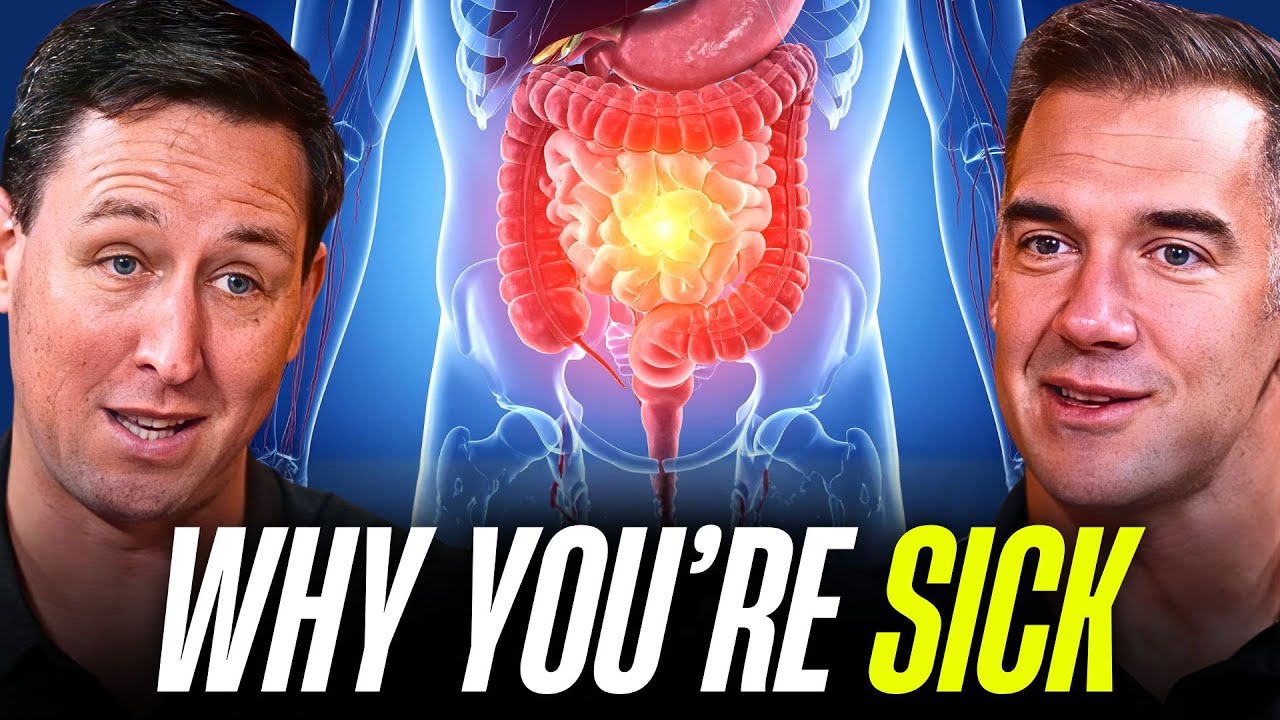
• Introduction • The Gut and the Immune System • Inflammation: Acute vs. Chronic • The Gut Microbiome and Its Genetic Influence • Healing the Gut to Reduce Inflammation • Symptoms and Manifestations of Gut-Related Inflammation • The Role of Stress and Trauma on Gut Health • The Gut-Brain Connection • Dietary Foundations for Gut Health • Fiber Deficiency and Its Consequences • Mind-Body Healing and Spirituality • Breathing and Nervous System Regulation • Core Messages and Life Lessons • Resources and Continued LearningIn this podcast episode, Dr. Will Bulsiewicz, a board-certified gastroenterologist and gut health expert, explores the intricate relationship between gut health, the immune system, inflammation, stress, trauma, and spiritual wellness. Dr. Bulsiewicz dives deep into how chronic inflammation originates in the gut, how emotional and psychological trauma can undermine gut and immune function, and shares actionable dietary insights designed to nurture the microbiome. The conversation also touches on the gut-brain connection and the transformative power of faith and healing to restore balance and resilience.
The Gut and the Immune System
Dr. Bulsiewicz explains that approximately 70% of the immune system resides within the gut lining, intricately linked with the gut microbiome. The single-cell layer of the gut barrier protects the immune system by preventing harmful substances from entering the bloodstream. When this barrier weakens—a condition often referred to as "leaky gut" or increased intestinal permeability—unwanted molecules like lipopolysaccharides from harmful bacteria cross over and activate the immune system incessantly, leading to chronic low-grade inflammation. This constant immune activation, unlike acute inflammation which is purposeful and temporary, results in ongoing tissue damage and a cascade of health issues.
Inflammation: Acute vs. Chronic
A clear distinction is made between acute and chronic inflammation. Acute inflammation is the body's essential defense mechanism against injury or infection, characterized by fever, swelling, and other classic symptoms. It is time-limited and resolves after the threat is neutralized. Chronic low-grade inflammation, however, is a persistent state where the immune system remains activated without a true ongoing threat. This manifests in diffuse symptoms including fatigue, headaches, brain fog, skin conditions like eczema and psoriasis, joint pain, and even hormonal imbalances. Chronic inflammation underpins over 130 documented health conditions, often going unrecognized as a unifying factor in seemingly unrelated diseases.
The Gut Microbiome and Its Genetic Influence
Dr. Bulsiewicz highlights the staggering fact that the human body contains more microbial cells than human cells and that 99.5% of the genetic code within our bodies originates from these microbes. The gut microbiome not only performs crucial digestion tasks but essentially serves as an acquired genetic extension, shaped by environment and lifestyle factors. This microbial ecosystem teaches the immune system, supports the gut barrier, and influences overall health. The gut microbiome serves as a living record and reflection of an individual's past diet, stress, sleep, relationships, and personal history.
Healing the Gut to Reduce Inflammation
A key therapeutic focus involves restoring the gut barrier and microbiome composition to reduce chronic inflammation and calm the immune system. Dr. Bulsiewicz emphasizes that repair of this barrier prevents harmful molecules from triggering immune overactivation. When the gut ecosystem is healthy and the barrier strong, the immune system remains in a state of ease, leading to diminished inflammatory symptoms across multiple organ systems.
Symptoms and Manifestations of Gut-Related Inflammation
Chronic gut inflammation can manifest as wide-ranging symptoms including digestive issues such as bloating, diarrhea, and constipation. It can also affect the skin, brain, joints, and hormonal systems. Conditions such as irritable bowel syndrome, eczema, depression, and even neurodegenerative diseases have inflammation at their root, often linked to gut dysfunction. Fatigue is identified as the most consistent symptom associated with chronic inflammation.
The Role of Stress and Trauma on Gut Health
The conversation delves into how psychological stress and unresolved trauma profoundly affect the gut and immune system. Stress activates the sympathetic nervous system, triggering hormone cascades (like cortisol and corticotropin-releasing hormone) that divert energy to immediate survival, sacrificing gut health in the process. This can alter gut motility, disrupt microbiome balance, and weaken the gut barrier, fueling inflammation.
Unhealed trauma, particularly from early life or significant emotional wounds, locks the brain's fear centers into overdrive and keeps the sympathetic nervous system activated continuously, resulting in sustained gut dysfunction and immune dysregulation. Dr. Bulsiewicz shares personal reflections on the deep and lasting impact of childhood trauma, family estrangement, and subsequent emotional healing, underscoring that dietary efforts alone cannot fully restore health without addressing these underlying wounds.
The Gut-Brain Connection
There is an intimate two-way communication between the brain and the gut. The brain's state influences gut function, and likewise, the health of the gut microbiome and gut barrier affects brain health, impacting mood, cognition, and mental resilience. Chronic inflammation in the gut can translate to neuroinflammation, contributing to conditions such as depression, Parkinson's, and Alzheimer's disease. Healing the gut is pivotal for optimal cognitive function and emotional health.
Dietary Foundations for Gut Health
Dr. Bulsiewicz advocates for a microbiome-supportive diet rich in fiber, polyphenols, healthy fats, and fermented foods. He highlights beans (chickpeas especially) as an exemplary "microbiome food" packed with fiber, resistant starch, and polyphenols that feed beneficial microbes and promote anti-inflammatory short-chain fatty acids like butyrate. Berries, avocados, chia seeds, walnuts, and fermented foods such as yogurt and kimchi are also emphasized for their profound gut and immune benefits.
He explains the concept of building microbial "capacity" akin to exercising a muscle: the microbiome adapts over time, so dietary changes should be gradual. Techniques like cooling cooked starchy foods increase resistant starch content and further support microbial health. Personalization and consistency in consuming these nutrient groups matter most.
Fiber Deficiency and Its Consequences
An alarming statistic is shared that 95% of Americans are deficient in dietary fiber, a crucial nutrient for maintaining gut barrier integrity and fueling beneficial microbes. Fiber deficiency contributes to diminished production of glucagon-like peptide-1 (GLP-1) and other metabolites that regulate metabolism, inflammation, and immune function—highlighting why chronic disease rates are escalating.
Mind-Body Healing and Spirituality
The episode reveals the profound role of spiritual connection, faith, and emotional healing in supporting gut and immune health. Dr. Bulsiewicz discusses how practices that activate the parasympathetic nervous system—such as prayer, meditation, singing, deep breathing, and meaningful human connection—counterbalance stress-driven inflammation. He explains that faith and a sense of purpose foster resilience, optimism, and improved emotional processing, which correlates positively with physical health.
He shares how reconnecting spiritually and healing personal trauma brought him wholeness beyond diet or traditional medical interventions. This holistic approach, blending science with spirituality, addresses the soul's needs and influences the body's inflammatory response.
Breathing and Nervous System Regulation
Simple yet powerful interventions like diaphragmatic breathing and breathwork techniques can soothe the nervous system in moments of acute stress. These practices engage the vagus nerve to shift physiology from prolonged "fight or flight" states toward relaxation and healing. Breathwork complements nutritional and lifestyle strategies by directly modulating autonomic balance and reducing inflammatory signaling.
Core Messages and Life Lessons
Dr. Bulsiewicz concludes with three essential truths that shape his purpose and practice: understanding and living one's purpose, honoring the roots and relationships that define us, and embracing the belief that we are part of something larger and meaningful. These philosophies underscore the human need for connection, purpose, and healing at the deepest levels, which, together with optimal gut health, can lead to a fulfilling, resilient life.
Resources and Continued Learning
Listeners are encouraged to explore Dr. Bulsiewicz's extensive work through his bestselling book, online content, and newsletter channels such as The Gut Health MD. His evidence-based guidance and personal transparency invite individuals to take ownership of their health journeys by integrating gut-friendly diets, mind-body healing, and spiritual practices grounded in both science and lived experience.
Full episode
Episode summary