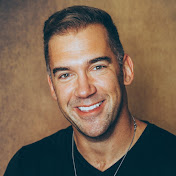
Do THIS To HEAL Your Past & Rewire Your Mindset! | Shaka Senghor & Christian Howes

Introduction
Table of contents
• Introduction • The Reality of Physical and Hidden Prisons • The Journey of Reimagining Self and Mindset • The Challenge of Shame and Guilt • The Code of Masculinity and Toxicity in Prison Culture • The Power and Role of Forgiveness • Healing Through Creativity and Mentorship • The Importance of Presence and Gratitude • Navigating Life After Prison and Ongoing Struggles • Parenting and Legacy • Purpose and Vision as Tools for Transformation • Therapy, Education, and Emotional Intelligence • What They Would Tell Their Younger Selves • Advice to Young People and Those Feeling Trapped • Lessons Learned Behind Bars and Today • The Role of Relationships and Community in Healing • Expressing Artistry as Freedom • Redefining Greatness • Mentorship as a Lifeline • How to Heal and Rewire Your Mindset • Overcoming Internal and External Barriers • Final Creative Collaboration and BrotherhoodIn this powerful conversation, best-selling author Shaka Senghor and acclaimed jazz violinist Christian Howes share their transformative journeys through incarceration and the inner prisons of guilt, shame, and trauma. Together, they explore how healing, forgiveness, mindset shifts, and creative expression helped them rewire their lives and find freedom long after physical imprisonment. Rooted in vulnerability and resilience, their dialogue dives deep into overcoming shame, redefining masculinity, embracing purpose, and the vital role of mentorship, community, and art in recovery and growth.
The Reality of Physical and Hidden Prisons
Shaka Senghor opens by describing the brutal conditions of solitary confinement, revealing its purpose to break down an individual's sense of self through isolation and deprivation. Yet, he reflects that the harshest prisons are often those we build internally—from grief, anger, shame, trauma, and self-doubt. Both Shaka and Christian acknowledge that many people outside of physical incarceration live trapped by invisible prisons of the mind and heart. Their stories emphasize that true freedom begins by breaking mental chains, regardless of one's external circumstances.
The Journey of Reimagining Self and Mindset
Shaka shares how his incarceration was preceded by a self-fulfilling prophecy rooted in trauma and negative narratives that sealed his early destiny. It was during years in solitary confinement that he began journaling, which led him to rediscover his innate humanity hidden beneath layers of shame and pain. This process of "falling in love with his mind" marked a pivotal shift toward freedom from the prison within. Christian resonates with this, describing his own accountability to intellectual, musical, physical, and relational disciplines while locked up, and how these pursuits became lifelines against despair.
The Challenge of Shame and Guilt
Both men delve into the complex and often misunderstood emotion of shame. Shaka recounts an early traumatic experience involving childhood abuse and its repercussions, illustrating how unspoken pain leads to self-sabotage and isolation. They highlight how shame erases victories and convinces people that their 'season doesn't count,' trapping them in outdated stories of failure. Writing, journaling, and naming true feelings emerge as key tools to disrupt these cycles. Christian underscores the importance of giving men permission to openly name emotions traditionally viewed as unmanly, such as fear and vulnerability, in order to heal.
The Code of Masculinity and Toxicity in Prison Culture
A significant portion of the conversation wrestles with the prison 'code of a man,' which demands meeting disrespect or threat with violence. Both Shaka and Christian condemn this deeply destructive cultural expectation, calling it a path of self-hatred and emotional suppression. They emphasize that suppressing fear and pain perpetuates cycles of violence and dishonesty, and that redefining manhood requires creating space for emotional truth, empathy, and vulnerability. Their dialogue offers a powerful model for men to embrace a multidimensional identity inclusive of strength and softness.
The Power and Role of Forgiveness
Shaka offers a profound testimony of forgiveness, describing the moment he received a letter from the man who shot him as a teenager. Rather than seeking retaliation, he engaged in a process of releasing the past without condition, showing that true forgiveness frees the forgiver, not necessarily the forgiven. Both guests agree that forgiving oneself is often more difficult than forgiving others, but is essential to breaking internal imprisonment. They stress that forgiveness is an ongoing journey, deeply tied to empathy and compassion toward oneself and those who caused harm.
Healing Through Creativity and Mentorship
Christian and Shaka both attribute healing to creative expression and the presence of mentors. Christian's musical growth extended beyond classical traditions into jazz, funk, and hip-hop learned from inmates behind bars, which profoundly shaped his artistry and identity. Shaka recalls mentors in prison who challenged him intellectually and spiritually, helping redirect his energy into purpose-driven channels. They assert that art, mentorship, and positive relationships can awaken humanity even in the most dehumanizing settings and must be accessible outside prison for ongoing healing.
The Importance of Presence and Gratitude
A recurring theme is the practice of mindfulness as a powerful antidote to shame and rumination. Shaka explains how bringing himself back to the present moment — often through simple gratitude for a glass of water or the air he breathes — interrupts destructive mental loops and creates space for growth. Both men share that healing requires consciously focusing on victories, no matter how small, and counting them to build resilience. Gratitude is described not merely as a feel-good exercise but as a foundation for reprogramming the mind toward freedom.
Navigating Life After Prison and Ongoing Struggles
Christian and Shaka candidly speak about the challenges they faced reintegrating into society and continuing their healing paths decades after release. They discuss the subtle and overt stigmas of their pasts in work environments and intimate relationships, and the lasting impact of collateral consequences such as barriers to employment and housing. Maintaining mental health and emotional softness amid a lifetime shaped by trauma remains difficult. They emphasize the need for continual self-awareness and intentional work to prevent old wounds from hardening or reactivating.
Parenting and Legacy
As fathers, both men describe openly communicating with their children about their pasts in age-appropriate ways, underscoring honesty as key to building resilience and trust. They reject the notion of shielding children from hard truths, believing instead that early transparency prepares kids for complexities of the world while affirming their sense of identity. Intentional parenting is cited as a way to heal generational wounds and foster relationships that can disrupt cycles of trauma.
Purpose and Vision as Tools for Transformation
Both guests highlight the role of purpose in their post-prison journeys. Shaka recounts how writing saved his life in solitary confinement and became the foundation for an audacious vision to become a best-selling author and positive influence. Christian reflects on how imprisonment expanded his musical horizons and shifted his dream toward becoming a great jazz violinist and educator. They stress that purpose is not static; it evolves with ongoing reflection and requires consistent effort to nurture.
Therapy, Education, and Emotional Intelligence
Acknowledging limited access to mental health resources during their youth and incarceration, both describe the critical role of education and therapy in their healing. Christian points to college courses and psychological learning as pivotal supports, while Shaka discusses self-directed study, meditation, journaling, and community connections as crucial tools. They speak to the need for therapy modalities that recognize survivors' strength rather than sensationalizing trauma and advocate for expanded emotional intelligence as a transformational practice.
What They Would Tell Their Younger Selves
In a reflective moment, both Shaka and Christian imagine advising their 19-year-old selves to seek therapy, embrace vulnerability, and envision a life beyond their current trauma. They acknowledge, however, the cultural obstacles of the early '90s when mental health was stigmatized and support scarce. Still, they express hope that with time and compassionate mentorship the younger generation has greater opportunity to rewrite their stories, inspiring accountability and healing.
Advice to Young People and Those Feeling Trapped
Their shared message for anyone struggling with trauma, anxiety, or feelings of imprisonment centers on embracing curiosity, joy, and self-love. Shaka encourages loving the inner child continually and seeking out mentors who can nurture that curiosity and joy. Christian stresses the importance of naming and owning all emotions as a pathway to healing. Both encourage listeners to reject shame, create space for authenticity, and pursue lives rooted in connection and creative expression.
Lessons Learned Behind Bars and Today
Christian emphasizes that wisdom and knowledge come from diverse sources, resilience arises from hardship, and gratitude for freedom—no matter how small—is transformative. Shaka reflects on humility, the capacity to serve others as an expression of humanity, and the revelation that prison reveals rather than defines one's essence. They both stress ongoing work is required to balance strength with emotional softness and compassionate responses rather than reactive violence.
The Role of Relationships and Community in Healing
Connecting deeply with others emerges as a central pillar in sustaining freedom after prison. Christian encourages cultivating genuine relationships of love and vulnerability with family, friends, students, and coworkers as sources of purpose and joy. Shaka highlights how community provides support to soften emotional hardness imposed by trauma and that healthy relationships offer mirrors for growth and redemption. Both describe mentoring young people as a vital expression of their healing.
Expressing Artistry as Freedom
Christian's unique trajectory as a classically trained violinist who expanded his craft in prison symbolizes how artistic expression breaks chains. His passion for music education and creative workshops models how art can inspire and uplift even the most marginalized. Shaka's writing rooted in his lived experience serves as a testament to the redemptive power of storytelling. They affirm that creative expression is a universal key to unlocking personal and collective freedom.
Redefining Greatness
For Shaka, greatness arises from recognizing a universal connectedness and channeling it to bring worthy dreams into reality through alignment with a higher power. Christian defines greatness as the courage to fully feel pain and fear—and nevertheless push forward to become the best version of oneself. They invite listeners to embrace gratitude, service, purposeful vision, and emotional authenticity as cornerstones of a great life.
Mentorship as a Lifeline
Both men credit mentors—formal and informal—for redirecting their paths. The ability to guide others to shift their mindset and explore new possibilities is viewed as an obligation and gift that sustains their ongoing transformation. They urge everyone, regardless of background, to seek mentorship and offer it, fostering a cycle of healing and empowerment beyond prison walls.
How to Heal and Rewire Your Mindset
Throughout the conversation, numerous strategies emerge as essential to heal and rewire: acknowledging and naming feelings, journaling, mindfulness, gratitude practices, forgiveness without conditions, embracing the inner child, practicing empathy, and sustained community engagement. They emphasize the power of small consistent actions in dismantling shame, celebrating victories, and creating a new narrative focused on growth, creativity, and freedom.
Overcoming Internal and External Barriers
Both acknowledge that the path to freedom includes ongoing struggles with societal stigma, internalized shame, and emotional hardness conditioned by trauma and prison culture. They stress that healing is not linear and requires continual courage, self-compassion, and the willingness to respond rather than react. Their journeys affirm that even decades later, freedom is a daily choice and practice.
Final Creative Collaboration and Brotherhood
The episode concludes with a moving live performance combining Christian's music and a poem by Jimmy Santiago Baca, read by Shaka. This uniting moment symbolizes their deep brothership forged through shared experiences and mutual dedication to liberation through art. Their mutual respect and encouragement reflect the power of connection and creative expression to inspire hope and healing.
Full episode
Episode summary