Introduction
Table of contents
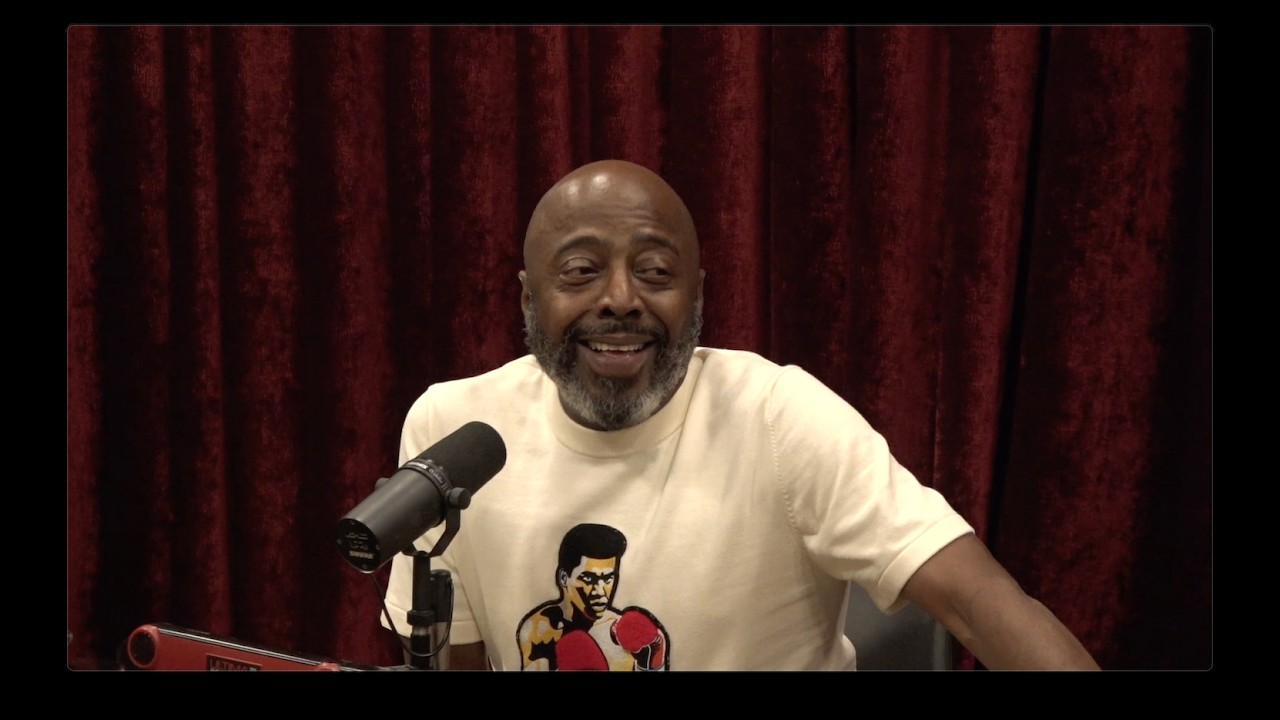
• Introduction • Red Meat and Digestive Health • Smoking, Nicotine, and Menthol Cigarettes • Interactions on the Joe Rogan Experience and Black History Month • Exercise and Mental Well-being • Challenges of Public Perception and Online Criticism • The State of Modern Comedy and Social Media • The Bible, Religion, and Belief Systems • Lottery and Systems of Exploitation • Beef and Loyalty in the Comedy and Entertainment Worlds • Impact of the COVID-19 Pandemic on the Comedy Community • Comedy Industry and Career Evolution • Personal Definitions of Success and Happiness • Reflections on Notable Comedy Figures and Industry Stories • The Role of Friendship and Mentorship in Comedy • Final Thoughts on Craft, Focus, and Staying GroundedIn this podcast episode, Joe Rogan hosts comedian Donnell Rawlings for a wide-ranging conversation touching on health and diet struggles, issues around smoking and menthol cigarettes, reflections on comedy careers, the effect of social media on humor, the entertainment industry, the impact of the COVID-19 pandemic on live shows and community, and insights into personal success and resilience in show business.
Red Meat and Digestive Health
Donnell begins the conversation discussing his difficulties digesting red meat, despite being a fan. He notes that while burgers may be easier on his system, steaks cause digestive issues, which he skeptically attributes to aging. Joe questions whether it is the red meat itself or what Donnell consumes alongside it, leading to a humorous exchange about washing steaks down with Tito's vodka and tonic, which Donnell claims resembles water and helps with digestion. The absurdity underscores how personal habits can affect physical health. They acknowledge the necessity of making dietary changes as they age, coupled with finding partners who understand specific health considerations.
Smoking, Nicotine, and Menthol Cigarettes
The dialogue moves to smoking habits, with Donnell revealing he once smoked and explaining that nicotine acts as a cognitive enhancer, stimulating the mind and being popular among intellectuals and academics. They discuss American Spirit cigarettes, touching on a lawsuit challenging the "all natural" and "additive-free" marketing claims, highlighting how additives like ammonia boost nicotine delivery and addictiveness. The conversation includes a look at menthol cigarettes, particularly their popularity in Black communities. Joe explains the cooling and anesthetic properties of menthol in cigarettes that make smoking smoother and more addictive without being safer. Donnell reflects on historical marketing targeting specific demographics and the broader consequences of flavored tobacco's cultural entrenchment.
Interactions on the Joe Rogan Experience and Black History Month
Donnell recounts how he came to appear on the show during Black History Month, expressing appreciation for Joe's hosting and flexibility. Their exchange reflects mutual respect and the dynamic nature of arranging such appearances, emphasizing goodwill over formalities. The relaxed back-and-forth reveals Donnell's candid, down-to-earth personality and willingness to engage deeply with Rogan.
Exercise and Mental Well-being
When asked about exercise, Donnell jokes that his primary cardio comes from sexual activity, though he admits his performance isn't what it once was, noting his "peak" days are during holidays when he feels rested and energized. They debate whether one should prioritize mental or physical health first, with Joe advocating that physical activity can positively influence mental well-being, while Donnell sees the need for a mental reset before training the body. The discussion illustrates the interconnectedness of mind and body health in aging performers.
Challenges of Public Perception and Online Criticism
Donnell opens up about his experiences with public criticism, particularly in the podcasting and comedy world, referencing a difficult episode on the show "Kill Tony" where misunderstandings and criticism caused tension. He explains how early on he might have engaged with online critics out of naivety but learned to focus on his craft and ignore detractors. Joe and Donnell debate the role of negativity and character assassination in the entertainment industry, highlighting how jealousy and bitterness fuel many public disputes, especially when comedians struggle to maintain relevance. The conversation stresses resilience and the importance of focusing on personal growth rather than external negativity.
The State of Modern Comedy and Social Media
They analyze contemporary comedy culture, noting a shift from storytelling and craft toward sensationalism and "beef," particularly on social media platforms where controversy drives clicks. Donnell critiques comedians who achieve fame through scandal or provocative content rather than humor and craft while praising genuine talent who persist through hardship. Joe agrees, emphasizing that viral moments are often fleeting and come at the expense of artistic integrity. Both express concern that true comedic skill is being overshadowed by performative conflict and online drama.
The Bible, Religion, and Belief Systems
The conversation veers briefly into interpretations of the Bible, including speculation about the "fruit" from the Garden of Eden, discussing translation issues and the nature of ancient texts. Donnell reflects on why many people cling to religious beliefs—suggesting that faith and community provide meaningful frameworks for life that can lead to better behavior and social cohesion. They touch on the predatory nature of some mega-churches, criticizing how they financially exploit vulnerable individuals under the guise of spirituality.
Lottery and Systems of Exploitation
Joe and Donnell explore the lottery as a legalized scam preying on desperate people, outlining how the vast majority of ticket sales do not go to winners but fund state revenue and administrative costs. They discuss how some wealthy or notorious figures have won large jackpots under suspicious circumstances, suggesting possible money laundering schemes involving lottery tickets. The analysis exposes the systemic inequity behind the lottery industry, reinforcing skepticism of purported "easy money" opportunities.
Beef and Loyalty in the Comedy and Entertainment Worlds
The hosts explore the culture of "beef" or feuds in comedy and entertainment, discussing historical codes of silence in organized crime and parallels in Black communities. Donnell explains how attitudes toward snitching have evolved and how public "exposés" of fellow entertainers often stem from jealousy or career decline. They debate the motives behind public calls-outs and whether these conflicts serve any constructive purpose. The conversation underscores the importance of loyalty and focus on one's own career amidst a landscape rife with personal and professional rivalry.
Impact of the COVID-19 Pandemic on the Comedy Community
Both discuss the unprecedented challenges and adaptations necessitated by the COVID-19 pandemic. Donnell reflects warmly on the unique camaraderie fostered during the pandemic-era shows, including tours with Dave Chappelle that prioritized safety via testing and created intimate, rare comedy experiences. They recount the innovations during that period, such as outdoor shows, testing bubbles, and creative use of venues, emphasizing the resilience and dedication of performers to their craft and audiences despite global upheaval.
Comedy Industry and Career Evolution
Donnell gives insight into the evolution of a comedy career, noting the grind of open mics, the significance of "undeniable" consistency on stage, and navigating the complex business structures of clubs and management. He discusses his early days in underground scenes and his path to mainstream success alongside big names like Dave Chappelle and Bill Burr. They examine how modern platforms and podcasts have reshaped opportunities for comedians, creating new paths outside traditional industry gatekeepers, but also yielding new challenges with social media prominence and varying talent levels.
Personal Definitions of Success and Happiness
Donnell shares his perspective that true success equates to happiness – a balance of meaningful work, love, friendship, and continual growth. He values the joy of performing and mastering his craft as core to his fulfillment, emphasizing that wealth or fame are secondary to personal contentment and connection. Joe echoes this sentiment, highlighting the importance of focusing one's limited time and energy toward things that truly matter rather than getting distracted by negativity or superficial competition.
Reflections on Notable Comedy Figures and Industry Stories
Throughout the episode, Donnell recounts anecdotes about legendary comedians like Bernie Mac, Martin Lawrence, George Wallace, and Charlie Murphy, sharing insights into their careers, influence, and struggles. He praises the work ethic required to sustain longevity in comedy, condemns joke theft but acknowledges the pressures comedians face, and emphasizes the camaraderie and competition that drive comedic excellence. These stories serve to contextualize the highs and lows of the comedy profession and illustrate its communal and sometimes harsh realities.
The Role of Friendship and Mentorship in Comedy
Donnell speaks fondly of his friendships and collaborative relationships with other comedians, particularly Dave Chappelle, noting the mutual respect and creative push they share. He stresses the value of support networks, good company, and genuine connection as vital to a sustained career in entertainment. Their back-and-forth demonstrates how such relationships influence not only career success but also personal happiness and resilience.
Final Thoughts on Craft, Focus, and Staying Grounded
Wrapping up the conversation, Donnell offers candid advice about focusing on the craft, maintaining passion despite setbacks, and avoiding distractions like online hate or jealousy. He advocates for grinding through tough audiences, recognizing defining moments that can elevate careers, and prioritizing authenticity. Joe and Donnell agree that the real joy in comedy comes from continuous improvement, honest connection with audiences, and supporting the community around you rather than getting caught up in external drama.