Introduction
Table of contents
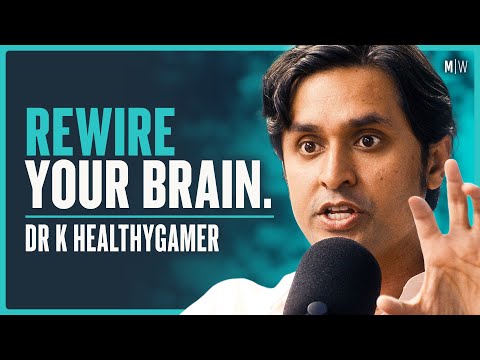
• Introduction • Men and Emotional Expression • Motivation, Progression, and Contentment • Self-Love, Authenticity, and Social Judgement • The Impact of Upbringing and Loss • The Role of Environment and Relocation • Managing Overwhelm and Systems for Sustainability • The Inner Voice and Fear of Regression • Emotional Labor and Male Relationships • Recognizing and Naming Emotions • Balancing Ambition and Enjoyment • The Influence of Social Comparison • Meditation, Mindfulness, and Internal Peace • Navigating a Midlife Crisis • The Intersection of Spiritual Practice and Worldly Life • Relationships, Vulnerability, and Emotional Openness • The Importance of Self-Compassion • Building Systems for Emotional Awareness • Controlling Desire Through Sensory Regulation • Final Thoughts on Growth and AuthenticityThis conversation features Dr. K, a Harvard-trained psychiatrist, mental health advocate, and content creator, sharing insights gained from his unique path blending clinical expertise and personal experience. The discussion spans topics such as emotional expression in men, internal conflicts around success and contentment, motivation, self-awareness, relationships, grief, midlife crisis, and meditation. The dialogue captures the complexities of male mental health, the pressures of living up to one's potential, and the pursuit of a fulfilling and authentic life.
Men and Emotional Expression
Dr. K highlights a widespread issue among men: the difficulty in recognizing and articulating emotions. He explains that most men experience normative male alexithymia, a form of emotional "color blindness" where they feel emotions but lack the vocabulary or practice to name and express them. This emotional unawareness often leads men to rationalize or repress feelings, using justifications to protect themselves from vulnerability. Dr. K points out that societal expectations compound this problem—as men are often discouraged from authentic emotional expression out of fear of judgment or appearing weak. This creates barriers for genuine connection and contributes to a mental health crisis.
Motivation, Progression, and Contentment
The dialogue explores the tension between the drive for progress and the experience of contentment. Dr. K discusses how motivation is often fueled by external factors such as environment, competition, and sensory cues, including physical appearance. Yet, true happiness also arises from moments of peace and stillness, which exist in contrast to the restless desire to constantly improve. This duality creates an internal conflict: the longing for achievement versus acceptance of the present. Dr. K illustrates how recognizing and balancing these impulses can help prevent burnout and promote well-being.
Self-Love, Authenticity, and Social Judgement
Dr. K addresses the paradox of self-love for men who achieve success. When men openly express self-appreciation or confidence, they risk being perceived as arrogant rather than authentic. This social stigma around male vulnerability and success perpetuates isolation and misunderstanding. He asserts the need for men to reclaim their narrative around self-love and authenticity without fear of societal punishment, recognizing that loving oneself is not synonymous with superiority.
The Impact of Upbringing and Loss
Sharing his personal background, Dr. K reflects on losing his mother at age 11 and growing up in a loving but emotionally restrained household. This experience, combined with having a father who maintained emotional stoicism, shaped his coping mechanisms and emotional literacy. The absence of a motherly emotional guide left gaps in his ability to process and communicate feelings effectively. The conversation underscores the lasting influence of early family dynamics on emotional development.
The Role of Environment and Relocation
Dr. K discusses how relocating and immersing oneself in different environments can profoundly affect motivation and mood. He shares his move from the UK to a sunnier, more entrepreneurial city where external stimuli like climate, culture, and peer success fuel his drive. Yet, he also acknowledges that motivation fluctuates with context, and comparing oneself to others in different environments can evoke mixed emotions such as annoyance or self-doubt. This emphasizes the complex interplay between internal goals and external surroundings.
Managing Overwhelm and Systems for Sustainability
Content creation and maintaining multiple professional roles generate immense mental demands for Dr. K. He describes hitting points of overload where stress and fatigue accumulate, followed by deliberate disengagement to restore balance. This cyclical management of energy illustrates the importance of self-awareness and boundaries in sustaining long-term productivity. Dr. K identifies the need for systems that reduce mental clutter, allowing ambitious individuals to maintain focus without burning out.
The Inner Voice and Fear of Regression
A critical theme revealed is the internal "voice" that drives Dr. K—a voice that pushes against becoming complacent or regressing to a former "loser" identity. This voice, while protective and motivating, also generates shame and pressure, creating a complex relationship with self-worth. It reflects the tension between the desire for growth and the fear of repeating past failures. Dr. K explores how this voice can trap individuals in cycles of self-criticism if not tempered by self-compassion.
Emotional Labor and Male Relationships
The conversation delves into the gendered dynamics of emotional labor, particularly in romantic relationships. Dr. K notes that men often rely heavily on partners for emotional support, as social norms have limited men's social-emotional networks. At the same time, men are adept at emotional compression—suppressing or managing emotions internally to avoid overwhelming others, especially women. This imbalance can strain intimate relationships and is linked to phenomena such as increased cardiovascular risks in men following divorce.
Recognizing and Naming Emotions
Dr. K advocates for men to begin their emotional work by identifying and naming feelings, using language as a tool for mastery and emotional regulation. He stresses that men often experience emotions differently from women, framing anxiety as "pressure" and depression as "anger," fitting masculine social frameworks. By becoming curious about what emotions inform their inner dialogue, men can turn adaptive coping mechanisms into opportunities for growth.
Balancing Ambition and Enjoyment
The dialogue highlights the paradox many men face: balancing the pursuit of potential and achievements with the desire to savor life's pleasures. Dr. K speaks openly about his love-hate relationship with work, success, and leisure. He acknowledges the human need for challenge and progression, but also warns against letting ambition overshadow the need for peace, rest, and authentic enjoyment. This balance is crucial to building a life that does not feel like an escape but a lived experience.
The Influence of Social Comparison
Dr. K reflects on the challenges of social comparison in the age of rapid technological advancement. He identifies feelings of irritation and inadequacy when encountering younger people who attain success more easily due to newer opportunities such as social media platforms. Nevertheless, he counsels gratitude for one's own developmental context and encourages recognition of different life experiences as valid sources of value.
Meditation, Mindfulness, and Internal Peace
Dr. K shares his long-term meditation practice and its role in cultivating internal awareness and peace. He describes meditation as an anchor into the body's proprioception and a refuge of emptiness or "shunya" (void) amid external chaos. This inner stillness offers a way to transcend ego-driven narratives of perfectionism and self-judgment. Techniques like mantra meditation and practices such as yoga nidra are presented as tools to calm the mind, control sensory input, manage desire, and prepare for restorative sleep.
Navigating a Midlife Crisis
Dr. K frames midlife crisis as a developmentally normal phase of reassessment rather than pathology. He explores how achieving many life goals can paradoxically trigger dissatisfaction, confusion, and a search for deeper meaning. The conversation touches on his own experience balancing professional success, personal sacrifices, and spiritual aspirations. This liminal phase invites integration of past choices with future intentions while redefining success beyond external markers.
The Intersection of Spiritual Practice and Worldly Life
Having once pursued monastic life, Dr. K shares how meeting his partner shifted his path toward a worldly existence marked by family commitments and entrepreneurial pursuits. He stresses that spiritual growth is not confined to monastic settings but can be cultivated internally amid daily life. This perspective emphasizes flexibility and self-compassion in defining one's dharma or purpose without rigid expectations.
Relationships, Vulnerability, and Emotional Openness
Dr. K addresses the complexity of emotional openness in male-female relationships. He discusses societal expectations for men to be emotionally controlled and how breaches of vulnerability can sometimes be met with rejection rather than support. The ability to modulate the degree and manner of emotional expression is a skill both partners need to develop for healthy communication. Dr. K encourages men to embrace incremental openness while understanding partner dynamics.
The Importance of Self-Compassion
Throughout the conversation, Dr. K returns to the theme of self-compassion as a cornerstone for mental health. He calls for men to forgive themselves for imperfections, to allow space for rest without guilt, and to accept their human complexity. This mindset shift from harsh self-critique to understanding helps weaken the grip of the punitive internal voice and supports authentic living.
Building Systems for Emotional Awareness
Dr. K suggests practical steps toward emotional growth, including spending deliberate idle time alone to foster self-awareness. Staring at a wall or silent contemplation can provoke inner insights otherwise drowned in busyness. Learning to recognize emotional _signals_ through words or somatic sensations enables men to harness emotions as information, guiding better decisions without becoming overwhelmed.
Controlling Desire Through Sensory Regulation
To manage distracting desires and impulses, Dr. K emphasizes controlling sensory inputs as a preliminary step. Practices like candle gazing train the brain to regulate attention and reduce craving-driven distractions. This sensory discipline feeds into greater emotional balance and mental clarity essential for focused ambition aligned with deeper fulfillment.
Final Thoughts on Growth and Authenticity
Dr. K's reflections underscore that building a life aligned with one's values requires embracing imperfections, acknowledging fears, and evolving emotional literacy. Success and happiness arise not from achieving flawless self-mastery but from ongoing integration of internal experiences with external realities. In doing so, men can cultivate connection, purpose, and peace—creating a life that no longer feels like something to escape from.
Full episode
Episode summary