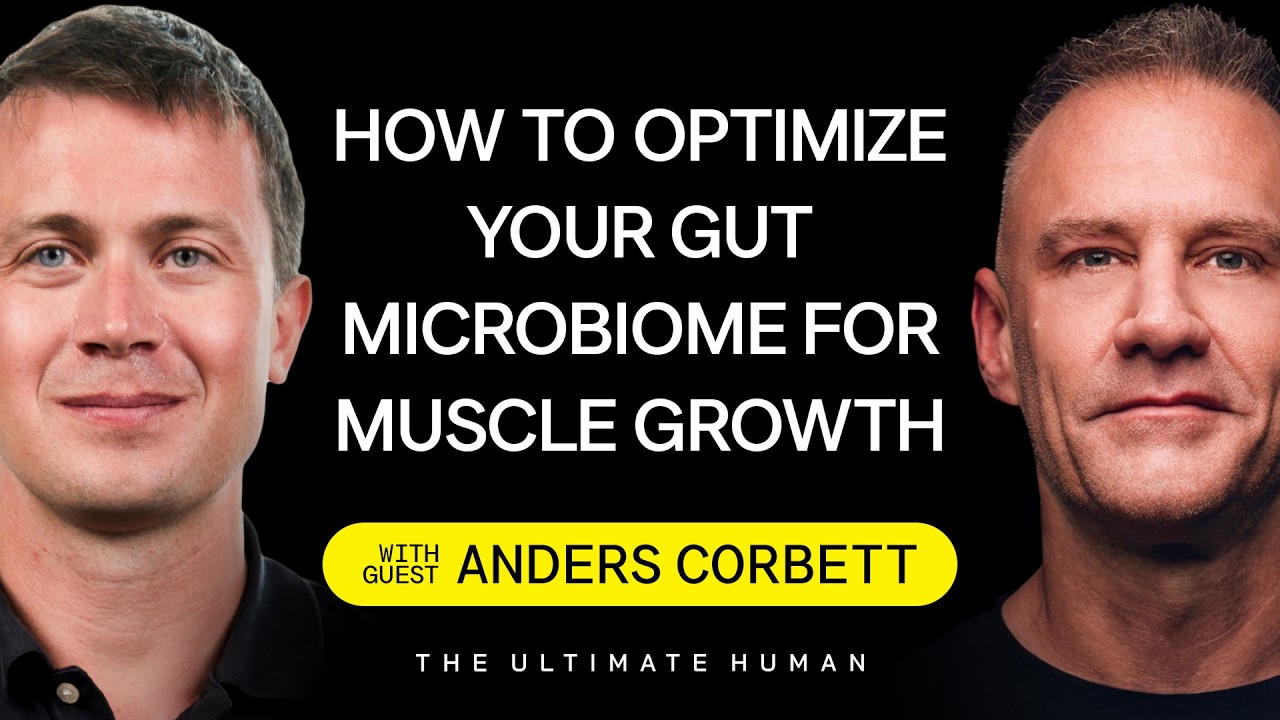
Anders Corbett: On “Crafting” Your Gut Microbiome, Probiotics, and Hormone Optimization | TUH #233
Introduction
Table of contents
• Introduction • Anders Corbett's Journey from Athlete to Scientist • The Science of the Gut Microbiome and Athletic Performance • Personalized Microbiome Profiling and Probiotic Formulations • Addressing Gut Dysbiosis and Chronic Inflammatory Conditions • Hormone Optimization through Microbiome Modulation • Neurotransmitters, Mood, and Cognitive Function • Real-World Applications: From Elite Athletes to Everyday Health • The Future of Microbiome Science and Technology • Longevity, Aging, and Microbiome Preservation • Addressing the Limitations and Regulatory Considerations • Being the Ultimate HumanIn this podcast episode, host Gary Brea converses with Anders Corbett, a former professional athlete turned gut microbiome researcher and entrepreneur. They explore the groundbreaking concept of "crafting" one's gut microbiome to enhance health outcomes, athletic performance, hormone optimization, and even cognitive function. The discussion covers Anders's journey from elite athletics to Harvard research, the science behind microbiome-driven improvements, personalized probiotic formulations, and how manipulating gut flora can potentially mitigate chronic diseases and inflammation.
Anders Corbett's Journey from Athlete to Scientist
Anders Corbett shares his unconventional path from world-class rowing—where he placed ninth at the World Championships and trained at an Olympic facility—to becoming a research fellow at Harvard Medical School. After retiring from competitive sports, he experienced a lack of intellectual engagement and transitioned into scientific study without formal lab experience. Starting modestly by joining MIT's synthetic biology team while working retail, he caught the attention of leading geneticist George Church. This serendipitous meeting propelled him into cutting-edge labs, working on gene editing and microbiome research. His unique combination of athletic and scientific background informs his passion for optimizing human performance through biology rather than drugs or devices.
The Science of the Gut Microbiome and Athletic Performance
Anders explains how the gut microbiome influences more than digestion; it modulates hormone levels, immune response, mood, and endurance. He recounts landmark studies where fecal transplants between malnourished Malawian children and Western donors led to weight and muscle gain changes in mice, underscoring that microbiomes dictate nutrient assimilation and growth independent of diet calories. Specific bacterial strains—such as substrains of Lactobacillus—can unblock growth hormone pathways, enhancing muscle mass and recovery naturally.
Moreover, elite athletes showcase distinctive gut bacteria profiles. For example, cyanobacteria are abundant in Olympic swimmers, providing a biomarker for high-level performance. Villonella bacteria, which consume lactate—a byproduct of anaerobic metabolism—are elevated in competitors shortly after events like the World's Strongest Man competition, hinting at enhanced recovery potentials through microbial pathways.
Personalized Microbiome Profiling and Probiotic Formulations
The process Anders's company, Craft Microbiome, employs involves collecting stool and saliva samples to assess an individual's microbial makeup. Using advanced culturing techniques, they isolate beneficial bacterial strains from the person's own flora. Through genomic sequencing, these strains are identified at the substrain level and grown under precise conditions for use as custom probiotics.
Clients select from a "menu" of bacteria based on their goals—improved muscle growth, cognitive focus, reduced inflammation, or hormone optimization. This individualized approach allows targeting deficiencies or imbalances particular to their biology rather than a generic one-size-fits-all probiotic. Anders highlights cases where repopulating with specific bacteria restored testosterone in a Lyme disease patient depleted by long-term antibiotics and improved athletic recovery in NBA players such as LeBron James. Using a person's own microbes minimizes adverse effects and optimizes efficacy.
Addressing Gut Dysbiosis and Chronic Inflammatory Conditions
The podcast touches on the prevalence of gut dysbiosis in people suffering from irritable bowel syndrome, Crohn's disease, ulcerative colitis, eczema, and psoriasis. Anders emphasizes starting gently, repopulating the gut with benign strains like Bifidobacterium infantis that have anti-inflammatory and stability-promoting effects. By outcompeting pro-inflammatory and pathogenic flora, these probiotics may reduce symptoms, improve gut barrier integrity, and lower systemic inflammation.
He acknowledges the complexity of these diseases and the limitations of current treatments but shares anecdotal evidence of symptom relief and improved quality of life. The approach is cautious and collaborative with conventional medicine, highlighting the need for individualized therapies. The ability to "bank" one's bacteria before antibiotic use or surgery enables rapid restoration after microbiome depletion.
Hormone Optimization through Microbiome Modulation
A particularly intriguing topic is how gut bacteria influence hormone levels such as testosterone and growth hormone. Anders presents evidence that specific Lactobacillus strains can reduce inflammatory cytokines like interleukin 17 alpha, which negatively impact testosterone production by enlarging Leydig cells in the testes. The restoration of these bacteria led to sustained testosterone increases and improved vitality in patients with severe microbiome disruption.
This reframing of hormone regulation through microbiome ecology opens avenues beyond pharmaceuticals or hormone replacement therapy. It underscores the gut's role as an endocrine organ influencing systemic physiology via microbial metabolites and signaling molecules.
Neurotransmitters, Mood, and Cognitive Function
The discussion expands to how gut bacteria produce key neurotransmitters such as serotonin and dopamine, foundational to mood, behavior, and cognitive performance. Anders and Gary discuss the exciting potential to use targeted probiotics to manage or prevent mood disorders, ADHD, and neurodevelopmental conditions by addressing neurotransmitter imbalances at the microbial level.
They also touch on research into neuroinflammatory diseases like Alzheimer's and Parkinson's, where early microbiome changes precede clinical symptoms by years. Regular microbiome monitoring and preservation of "young" bacterial strains could become a preventive or mitigating strategy for cognitive decline. The conversation acknowledges the limitations but conveys enthusiasm about the microbiome as a novel frontier in mental health.
Real-World Applications: From Elite Athletes to Everyday Health
Despite starting with professional athletes aiming to close tiny gaps in performance legally without drugs, Anders stresses that average individuals can benefit from microbiome customization. Common concerns such as digestive discomfort, inflammation, bloating, and mood issues can be addressed by isolating and culturing a person's beneficial bacteria.
He cites examples involving recovery from long antibiotic courses after dental work or treatment for Lyme disease, where targeted probiotics accelerated healing and restored quality of life. The Craft Microbiome approach involves iterative testing, personalized adjustment, and data-driven decisions, moving beyond guesswork typical of over-the-counter probiotics.
The Future of Microbiome Science and Technology
Looking ahead, Anders envisions integrating artificial intelligence to model complex microbial interactions, metabolite production, and gene expression within the gut ecosystem. This digital twin technology could enable highly predictive and precise recommendations for diet, supplementation, and probiotic regimens tailored to real-time needs and activities.
He imagines practical applications like mobile apps that suggest specific probiotics and timing based on upcoming events, workouts, or stressors, transforming self-care into a dynamic, data-informed process. The role of bacteriophages—viruses that infect bacteria—is also highlighted as an emerging area with potential cognitive benefits.
Longevity, Aging, and Microbiome Preservation
The podcast references studies where centenarians maintain high levels of beneficial bacteria such as Bifidobacterium well beyond normal aging trajectories, correlating with sustained health and cognitive function. Anders discusses the importance of microbial diversity, reduced pharmaceutical burden, diet, and environmental exposures in preserving microbiome integrity and delaying chronic disease onset.
He encourages listeners to store their own microbiome samples when young—effectively biobanking "young" bacteria for future restoration—and to regularly monitor microbial changes as an essential part of longevity strategies.
Addressing the Limitations and Regulatory Considerations
Throughout the conversation, both Gary and Anders emphasize caution regarding medical claims and adherence to regulatory standards. While sharing compelling anecdotal and preliminary data, they avoid promises of cures or treatments. Instead, the focus rests on improvement, prevention, optimization, and empowerment through personalized microbiome science.
They acknowledge that research is still in its early stages but underscore the need for more awareness, consumer education, and continued clinical trials to evolve microbiome-based therapeutics into mainstream health tools.
Being the Ultimate Human
The episode concludes with Anders reflecting on what it means to be the "ultimate human." For him, it involves ongoing athletic engagement, mental sharpness, and a fulfilling family life. Maintaining high health and performance through innovations like microbiome crafting enables deeper relationships and richer experiences. This holistic perspective marries biology, lifestyle, and purpose, encapsulating the broader mission behind the science discussed.
Full episode
Episode summary


