The Shocking Reality of the Treatment of Christians in the Holy Land by US-Funded Israel

Introduction
Table of contents
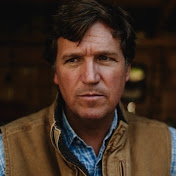
• Introduction • The Decline of Christian Communities in Israel and Palestine • The Role of U.S. Christian Churches and Funding Imbalances • Political and Religious Dynamics in Jerusalem • The Impact of Extremism and Religious Tensions • The Status Quo and Custodianship of Holy Sites • The Experience of Christians in Jordan Compared to Israel • Refugees and Regional Instability • U.S. Foreign Policy and Its Effects on Christians • Challenges of Access and Mobility for Christians • The Role of Interfaith Relations and Cultural Identity • The Future Outlook and Urgency for AwarenessIn this podcast episode, Tucker Carlson explores the complex and often overlooked situation of Christians living in the Holy Land, particularly in Israel, the West Bank, and Jordan. He speaks with two Christian figures — the Anglican Archbishop of Jerusalem, born in Nazareth, Israel, and a prominent Christian businessman from Jordan — to gain firsthand accounts of the treatment of Christians in the region. The discussion highlights the political, social, and religious dynamics impacting Christian communities amid rising extremism, U.S. foreign policy involvement, and the challenges of maintaining Christian heritage and presence in a predominantly Muslim and Jewish environment.
The Decline of Christian Communities in Israel and Palestine
The Archbishop outlines the long history of Christians in the Holy Land but emphasizes a troubling decline in their numbers post-1948, after the establishment of the state of Israel, and again after the Six-Day War in 1967. Half of the Palestinian population was displaced in 1948, including a significant number of Palestinian Christians, many of whom became refugees. The Christian population in key cities such as Nazareth and Bethlehem has not grown significantly and, in fact, has diminished sharply in recent decades due to a combination of political, social, and economic pressures. The Archbishop highlights that Christian communities inside Israel lack robust financial support compared to other groups, a situation exacerbated by the limited aid received from global Christian organizations, especially from the United States.
The Role of U.S. Christian Churches and Funding Imbalances
While American Christian churches arguably wield significant wealth and influence globally, the Archbishop states that their financial contributions to native Christians in the Holy Land pale in comparison to the amounts sent to support Jewish settlements in the West Bank. This disparity raises questions about priorities and alliances among American Christians, many of whom support Israel uncritically. The failure of major American Christian leaders and politicians to advocate meaningfully for their fellow Christians in the region is cited as a key problem. This funding imbalance has direct consequences for the ability of local Christian communities to sustain churches, social services, and economic well-being.
Political and Religious Dynamics in Jerusalem
Jerusalem is described as the spiritual capital for Christians, but the Archbishop explains their experience there is fraught with challenges. Restrictions on Christian religious observances, such as Easter celebrations at the Church of the Holy Sepulcher, have increased, with Israeli authorities citing security concerns to limit the number of pilgrims. Moreover, the Archbishop describes incidents of harassment, including extreme acts such as vandalism and spitting at Christian clergy by Jewish extremist groups—acts that have been captured on video but rarely punished legally. The absence of laws specifically addressing religious harassment exacerbates the problem, and the official response is often inadequate. This tension reflects a shift from Jerusalem as a shared sacred city to a more politically controlled environment that marginalizes minority faiths.
The Impact of Extremism and Religious Tensions
The discussion reveals rising extremism across all communities—Jewish, Muslim, and Christian—increasing insecurity and xenophobia. The Archbishop emphasizes that violent or exclusionary ideologies are incompatible with Christianity's core teachings of love, forgiveness, and reconciliation. Although Christian extremism is minimal compared to other groups, there is concern about influence from Christian Zionist movements, particularly those in the West who financially support extremist settlers. These allies sometimes claim a "greater good" that justifies dispossession or exclusion of Palestinian Christians and Muslims, a stance that deeply pains local Christian leaders and communities. The Archbishop's narrative highlights the complexity and mutual antagonism fostering a cycle of violence and suffering.
The Status Quo and Custodianship of Holy Sites
A crucial but little-known fact clarified in the conversation is Jordan's role as the custodian of many Muslim and Christian holy sites in Jerusalem, including the Al-Aqsa Mosque and the Church of the Holy Sepulcher. This custodianship, vested personally in King Abdullah of Jordan, has preserved a fragile equilibrium preventing outright exclusivity or control by any one group. The arrangement, dating back centuries and reinforced by legacy agreements, ensures that restoration and protection of holy places are conducted with broad religious respect, rather than solely political agendas. The episode underscores the irony that a Muslim king is a leading patron for sites sacred to Christians — a narrative rarely told in Western media.
The Experience of Christians in Jordan Compared to Israel
Contrasting the situation in Israel and Palestinian territories, the Jordanian Christian guest outlines a markedly different experience. Although Christians comprise a small minority (around 2-3% of the population), they enjoy constitutional protections, equal civil rights, and strong political and social representation. Christians in Jordan are well integrated into society, holding prominent positions in government, business, and the military without significant discrimination or persecution. The guest attributes this harmony to constitutional guarantees, political stability, and the benevolent leadership of the Hashemite monarchy. Despite Jordan's limited natural resources and enormous burden of hosting millions of refugees over decades, the kingdom manages to maintain interfaith coexistence and protect its minority communities.
Refugees and Regional Instability
Both guests discuss the profound demographic and geopolitical consequences of regional conflicts, noting Jordan's significant role in absorbing refugees from Palestine, Iraq, Syria, and other conflicts over the last century. This influx — in some cases exceeding the country's native population — places economic, social, and political strain on the kingdom. Stability, leadership, and international assistance are cited as critical to Jordan's resilience. The Archbishop connects regional instability and unresolved conflicts, such as the Israeli-Palestinian dispute, to broader challenges faced by Christian minorities. The lack of a just and lasting solution fuels extremism, displacements, and insecurity that disproportionately harm vulnerable communities, including Christians.
U.S. Foreign Policy and Its Effects on Christians
U.S. military and economic involvement in the Middle East has had mixed impacts. While aid to Jordan supports infrastructure, education, and security, American-backed military interventions have contributed to regional chaos, refugee crises, and the depletion of Christian populations in places like Iraq and Syria. The Archbishop voices concern that U.S. policy tends to privilege strategic interests, often overlooking or exacerbating the suffering of local Christians. Also criticized is the silence or complicity of American Christian politicians who, despite professing faith, fail to advocate effectively on behalf of endangered Christians in the Holy Land and neighboring countries.
Challenges of Access and Mobility for Christians
Restrictions on movement affect Christians' ability to visit and maintain their sacred sites. The Archbishop recounts difficulties obtaining visas and permits, including his inability to access an Anglican hospital in Gaza that has been bombed multiple times during conflicts. Such restrictions further isolate communities, impair humanitarian efforts, and underscore the political entanglements surrounding Christian presence. Travel limitations and checkpoints hinder cultural and religious expression and complicate efforts to preserve Christian heritage and institutions.
The Role of Interfaith Relations and Cultural Identity
The dialogue reveals a shared devotion among Christians and Muslims in Jordan to intertwined religious histories and cultural traditions. The Jordanian Christian guest highlights similarities between Christianity and Islam, including respect for key figures like Jesus and Mary, as a foundation for mutual acceptance. This interfaith openness contrasts with polarized narratives common in Western media that often depict Islam and Christianity as inherently antagonistic. Recognition of these bonds forms a hopeful counterpoint to extremism and sectarian conflict, emphasizing coexistence over division.
The Future Outlook and Urgency for Awareness
Both guests express deep concern for the future amid escalating extremism, political uncertainty, and demographic shifts that threaten the survival of ancient Christian communities. They urge Western Christians, especially Americans, to engage directly with local leaders instead of relying on simplistic or politicized portrayals. The Archbishop encourages prayer that unites rather than divides and calls for greater financial and moral support for the Christians who remain custodians of the birthplace of their faith. The businessman stresses leadership, stability, and constitutional rights as essential for minority survival, warning that ongoing conflicts and military interventions risk deepening regional fragmentation and human suffering.
Full episode
Episode summary