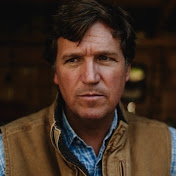
Rupert Lowe Warns of the Globalist Agenda Destroying the West and the Revolution Soon to Come

Introduction
Table of contents
• Introduction • The Decline of Democracy in Britain • The Role of MPs and Parliament • The Influence of US Politics and Shared Challenges • Immigration and Population Changes • The Chagos Islands Controversy and Colonial History • The Economic State of Britain • Social and Welfare Issues • The Impact of Multiculturalism and Globalist Agendas • Concerns about China's Rise • The Legacy of Britain and Its Future • Free Speech and Legal Repression • The Northern Ireland Protocol and Identity Issues • The Role of Movements and Public Engagement • Observations on War, Wealth, and Morality • Cultural and Social Fragmentation • Final Thoughts on Leadership and ChangeIn this in-depth conversation, Rupert Lowe discusses the current political, economic, and social challenges facing Great Britain and the West more broadly. Covering topics such as the decline of parliamentary democracy, economic woes, immigration, cultural shifts, and the influence of globalist agendas, Lowe offers a critical perspective on where Britain is headed and the urgent need for transformative change. He also draws parallels with the United States and addresses issues around free speech, governance, and national identity.
The Decline of Democracy in Britain
Rupert Lowe opens by examining the deterioration of British democracy, which he describes as once the model of modern democracy at scale. The original idea was that Members of Parliament (MPs) represented the people's interests and prioritized national well-being. However, he argues that this foundational principle has been undermined. Many MPs are now disconnected from their constituents, focused on personal gain and status within increasingly bureaucratic and unelected institutions such as quangos and the permanent civil service. The result is a dysfunctional political system where different parties offer no genuine choice or meaningful change, leading to widespread voter cynicism.
The Role of MPs and Parliament
Lowe shares his personal insight as an MP, emphasizing that although MPs receive significant salaries and social status, they are often ineffective in delivering for their constituents. He criticizes the overgrown civil service and regulatory state that hamper productivity and personal initiative, fostering dependency and bureaucratic inertia. This bureaucracy, coupled with rising government interference and regulation, has strangled much of Britain's creativity and economic dynamism.
The Influence of US Politics and Shared Challenges
Drawing parallels with the United States, Lowe notes similar disillusionment with political leaders and systems disconnected from ordinary citizens. He references American figures like Donald Trump and JD Vance as examples of those trying to fight back against the status quo. He also reflects on the historical contributions of British political thought to the American constitution, remarking on the importance of checks and balances to prevent concentration of power—a principle he believes is eroding on both sides of the Atlantic.
Immigration and Population Changes
A significant part of the discussion focuses on mass migration and its profound impact on Britain's society and culture. Lowe distinguishes between targeted, skills-based immigration, which he supports, and the large-scale influx of illegal and economic migrants from varying cultures who do not integrate into British society. He laments that this demographic change leads to social tension, brain drain as skilled Britons leave for countries like Dubai and Mauritius, and challenges the country's Christian and historical identity. He is critical of what he sees as government mismanagement and a lack of coherent immigration policy.
The Chagos Islands Controversy and Colonial History
Lowe delves into the controversial case of the Chagos Islands and the payment made to Mauritius related to their independence, criticizing the decision as financially irresponsible and an act of self-loathing. While acknowledging Britain's colonial past had its flaws, he defends its legacy as largely positive, pointing to legal systems left behind and the abolition of the slave trade. He expresses disdain for human rights lawyers he views as damaging to Britain's interests and sovereignty, highlighting what he sees as double standards in global attitudes toward colonialism.
The Economic State of Britain
The British economy is described as weakened and uncertain, heavily reliant on the service sector rather than manufacturing. Lowe critiques policies that have led to over-regulation, particularly in financial markets, which he attributes partly to Tony Blair's Financial Services Market Act 2000. This legislation, he argues, tied down London's financial sector, contributing to its waning global dominance and the rise of competitors like NASDAQ. He also warns of an unsustainable debt level, with hidden liabilities in pensions and financial accounting systems that create a false sense of security. The looming risk, he says, is a financial and currency crisis similar to Britain's 1970s bailout by the IMF—but one that might not be repeatable today.
Social and Welfare Issues
Embedded within the broader discussion is Lowe's criticism of Britain's welfare system and dependency culture. He highlights the existence of millions of non-working people of working age and specific schemes, like Motability, which provide benefits he considers excessive or abused. He argues that current government incentives encourage more dependency rather than productivity, creating an unfair system where hardworking taxpayers are burdened to support those who do not contribute economically or socially.
The Impact of Multiculturalism and Globalist Agendas
Lowe questions the post-war elite's promotion of multiculturalism, suggesting it has failed to serve Britain's national interests or the desires of its native population. He provocatively links the synchronized mass migration and cultural changes across Western countries to a wider globalist agenda pushed by influential groups such as the World Economic Forum, Bilderbergers, and the Council on Foreign Relations. Lowe paints this agenda as a deliberate attempt to weaken nation-states, dismantle traditional family and community structures, and create global governance models beneficial to an elite minority but damaging to ordinary citizens.
Concerns about China's Rise
Turning to international affairs, Lowe views China as a significant but unstable power, combining communist control with capitalist enterprise. He is wary of its economic model, heavy state debt, and historical grievances, which include past conflicts with Western powers. While acknowledging China's massive trade surpluses and influence, particularly in Africa, he predicts its current model is unsustainable and considers its long memory a strategic concern for the West.
The Legacy of Britain and Its Future
Lowe expresses pride in Britain's historical achievements, its role in building legal institutions, and contributions to freedom and civilization. However, he fears that contemporary British society has become complacent, losing the industrious "Protestant ethic" of hard work and communal responsibility that historically underpinned its success. He calls for a cultural and political renewal driven by mass movements like Restore Britain, emphasizing transparency, open debate, and grassroots activism to challenge the entrenched power structures.
Free Speech and Legal Repression
Free speech is presented as a fundamental pillar of democracy being increasingly under threat in Britain. Lowe recounts cases where individuals, including himself, have faced legal and social consequences for expressing dissenting or politically incorrect views, such as the imprisonment of Lucy Connelly for a social media post. He also details how politically motivated false accusations led to his firearms being confiscated, highlighting the dangers of unchecked state power and overreach.
The Northern Ireland Protocol and Identity Issues
Lowe briefly touches on the contentious Northern Ireland Protocol and its impact on the unity of the United Kingdom. He regards it as an example of how political deals, such as Brexit, have further complicated national cohesion and fueled divisions, exacerbating a wider sense of constitutional uncertainty.
The Role of Movements and Public Engagement
Despite a bleak outlook, Lowe is optimistic about the potential for spontaneous mass movements driven by social media and enlightened leadership to reclaim democratic governance and national sovereignty. He stresses the importance of citizen engagement and collective action to counter what he sees as the failures of the existing political class and the encroachment of globalist power structures.
Observations on War, Wealth, and Morality
Reflecting on the ongoing Ukraine conflict, Lowe notes the paradox of apparent wealth among some Ukrainians abroad while many suffer at home, underscoring the complexity of modern warfare and economic interests. He laments the loss of idealism seen in previous generations who sacrificed for their country, tying it to a broader erosion of societal values that threatens Western civilization's future.
Cultural and Social Fragmentation
Throughout the conversation, Lowe connects economic and political challenges with the breakdown of traditional social cohesion. He identifies a trend toward alienation, weakened communities, and a loss of shared values, which are exploited by those seeking to maintain power and profit from division.
Final Thoughts on Leadership and Change
Lowe calls on those who care about Britain's future to rise up and challenge the current trajectory before it becomes irreversible. He suggests that time is short for meaningful reform and warns of potential unrest if grievances continue to be ignored. The conversation closes with a call to action for common sense, national pride, and the revival of a fighting spirit that once made Britain a global power.
Full episode
Episode summary