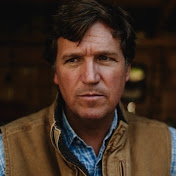
John Leake: The Demonic Rituals to Replicate God and Mankind’s New Religion of Science

Introduction
Table of contents
• Introduction • The Suppression of COVID Treatments • Vaccine Iconography and Religious Symbolism • Institutional Complicity and Financial Incentives • The Struggle of Prominent Dissenters • The "Annunciation" of the Vaccine Savior • Faith in Science as a New Religion • The Role of Tribalism and Social Division • Messenger RNA: Science, Hubris, and Metaphysics • The Risk to Fertility and Genetic Integrity • The Grand Inquisitor and the Loss of Free Will • Historical Parallels: Handwashing, Smoking, and Medical Orthodoxy • The Fragmentation of Trust and the Crisis of Institutions • The Challenge of Truth-telling and Moral Integrity • The Promise and Peril of Scientific Discovery • The Human Condition: Curiosity Versus Obedience • The Cultural and Philosophical Foundations of Science and Belief • The Intersection of Technology, Power, and the Limitations of Control • The Enduring Spirit of Inquiry and ResistanceIn this extensive conversation, John Leake delves into the multifaceted crisis surrounding the COVID-19 pandemic, focusing especially on the aggressive suppression of treatment options and the worldwide emphasis on vaccine mandates. The discussion touches on the sociopolitical forces, religious symbolism, institutional orthodoxy, human psychology, and metaphysical implications underpinning the public health response. Leake explores the historical precedents, the power of tribalism, the scientific hubris around messenger RNA technology, and the enduring conflicts between free will and authoritarian control.
The Suppression of COVID Treatments
John Leake details how public health authorities in the United States, in coordination with mainstream media, mounted a brutal campaign to discourage alternative COVID-19 treatments. Early, safe, and affordable therapies such as hydroxychloroquine were maligned and misrepresented as dangerous irresponsible remedies. This approach was motivated largely by the imperative to stamp out vaccine hesitancy, framing it almost as heresy. The enforced vaccine orthodoxy dismissed any challenges to its supremacy, using aggressive tactics—to the point of maligning and dismissing voices advocating for early treatment, including respected medical professionals. Leake highlights examples, such as Dr. Peter McCulla, who faced professional ruin and legal battles for questioning vaccine-only narratives.
Vaccine Iconography and Religious Symbolism
Leake reveals a striking intertwining of vaccine promotion with religious iconography, particularly within Catholic contexts. He discusses a 2022 Vatican-issued silver coin commemorating the COVID-19 mRNA vaccine, which visually and textually mimics Eucharistic preparation for Holy Communion. This blending of vaccine imagery with sacred symbols suggests an elevated, near-sacred status for the vaccine itself—an almost messianic role. Similar examples are found worldwide, such as a South African church banner declaring "Even the blood of Christ cannot protect you. Get vaccinated," explicitly equating vaccination with spiritual salvation. This co-option of religious symbolism signals an intentional transformation of vaccines into objects of unquestioned faith and adherence, replacing traditional spiritual bonds with biomedical ritual.
Institutional Complicity and Financial Incentives
The conversation uncovers how powerful US institutions, including the Biden administration's COVID Vaccine Task Force, major sports leagues, and prominent churches, participated in vaccine promotion often motivated by financial incentives. Billions of government dollars were distributed to organizations like the NFL, Major League Baseball, and mainstream religious denominations to encourage vaccine uptake. This arrangement blurred ethical lines and raised serious questions about government and clergy collusion in enforcing medical orthodoxy. Leake critiques the violation of duties by religious leaders who accepted government funding to push vaccines, undermining the constitutional principle of separation between church and state.
The Struggle of Prominent Dissenters
Leake traces the harsh treatment of notable dissenters like NFL quarterback Aaron Rodgers and tennis star Novak Djokovic. Rodgers was subjected to isolation, public shaming, and professional penalties for his vaccine hesitancy, suffering what Leake calls a "struggle session" designed to enforce compliance. Djokovic, after recovering naturally from COVID-19, was initially cleared to compete but then subjected to last-minute quarantine orders—demonstrated as sadistic control measures to break resistance. Leake draws a parallel between these modern "heresy" persecutions and the historical religious policing typified by figures like Martin Luther, showing how controlling vaccine adherence was enforced through social and institutional ostracism.
The "Annunciation" of the Vaccine Savior
Leake refers to Bill Gates' public pronouncements in April 2020 as an "Annunciation" moment—proclaiming that normality would only return when everyone was vaccinated. This prophetic certainty preceded fully developed vaccines and sidestepped scientific caution about unknown technology risks. Contracts for hundreds of millions of vaccine doses were inked before clinical trials concluded. Contesting this predetermined inevitability, voices like Dr. McCulla's editorial calling vaccination a gamble were swiftly censored and marginalized. Leake identifies this as a foundational moment revealing the predetermined vaccine agenda and the religious fervor surrounding the COVID vaccination campaign.
Faith in Science as a New Religion
Central to the discussion is how "science" and public health orthodoxy evolved into a secular religion, demanding absolute faith while rejecting dissent. Leake discusses the psychological dynamics of vaccine hesitancy as a heresy to be eradicated. He explains that in complex fields such as medicine, where many variables remain unknown, a doctrinal approach supplanting critical inquiry has taken hold. Professionals are expected to accept axioms unwaveringly—questions or optimization attempts are discouraged, and dissent is suppressed. Leake compares this to religious dogmatism, emphasizing that vaccine safety and efficacy became axiomatic beliefs enforced by social and institutional power, independent of ongoing empirical inquiry.
The Role of Tribalism and Social Division
Leake elaborates on how vaccine ideology fostered a new tribalism, dividing humanity into obedient believers and heretics who resisted vaccination. This tribalism supersedes traditional ethnicity or cultural identity and serves as a basis for social exclusion and control. Unvaccinated individuals faced tangible sanctions: bans from hotels, workplaces, and social participation, creating a permanent caste division. Leake notes that such tribal polarization is a potent social force and difficult for outsiders to fully grasp, emphasizing that those without tribal allegiances struggle to interpret the divisive power of vaccine orthodoxy and control.
Messenger RNA: Science, Hubris, and Metaphysics
The dialogue probes deeply into messenger RNA technology—the cornerstone of the leading COVID vaccines—and the metaphysical and symbolic implications of "writing the language of life." Leake explores the molecular biology central dogma: replication, transcription, and translation, likening the discovery and engineering of mRNA to humanity's long-standing mythic ambition to replicate divine creative power, akin to the Prometheus or Lucifer archetype. The ambition to "read and write God's code" reflects a hubristic scientific ideology that believes it can master life itself. Leake warns that this scientific mastery is incomplete and overconfident, ignoring the vast unknowns inherent in biology and life.
The Risk to Fertility and Genetic Integrity
Leake highlights alarming empirical findings pointing to vaccine-induced impairments in fertility, particularly among young people—those least at risk from COVID-19. Published case studies document myocarditis, a serious inflammation of the heart, especially in adolescent males following mRNA vaccination. Despite clear signals of harm and the negligible risk COVID poses to youth, vaccine approval proceeded, justified only by "starting the vaccination" to gather more data. This disregard for risk to reproduction and youth health raises profound ethical questions. Further, Leake discusses published evidence suggesting that mRNA may integrate into cancerous cells' genomes and influence liver cells, raising troubling questions about potential heritable genetic changes, though this remains uncertain. The unknowns surrounding long-term effects underscore the unprecedented risks of this genetic intervention.
The Grand Inquisitor and the Loss of Free Will
Interweaving literature and theology, Leake references Dostoevsky's "The Grand Inquisitor" parable to frame the modern crisis. The Grand Inquisitor story suggests that humanity is incapable of responsibly handling free will and prefers the security of obedience and paternalistic control. Leake likens vaccine mandates and enforced medical rituals to an authoritarian deal: society relinquishes autonomy for the promise of safety and control. Vaccines symbolize the ultimate ritual of obedience—a bodily imposition that bypasses informed consent and free choice. This loss of agency is both physical and spiritual, mirroring the paradox of humanity's desire for freedom and its tolerance for domination.
Historical Parallels: Handwashing, Smoking, and Medical Orthodoxy
Leake draws historical parallels to emphasize recurring themes of institutional denial and suppression of inconvenient truths. He recounts the story of Ignaz Semmelweis, the 19th-century Hungarian doctor who discovered handwashing dramatically reduced maternal deaths but was ostracized, declared insane, and died tragically before posthumous vindication decades later. Similarly, the tobacco-cancer linkage identified in the early 20th century took decades to be accepted publicly despite mounting epidemiological evidence, delayed largely due to industry interference and institutional resistance. These histories illuminate ongoing struggles where truth challenges entrenched orthodoxies, met by repression and denial rather than scientific openness.
The Fragmentation of Trust and the Crisis of Institutions
Leake reflects on the contemporary erosion of trust in government, science, and medicine following the pandemic and vaccine crisis. With widespread censorship, contradictory messaging, and institutional failures, broad segments of the population have lost faith in public institutions' honesty and competency. This distrust threatens societal cohesion and democratic governance. The failure to admit errors and engage in transparent dialogue alienates citizens, encouraging disengagement or outright rejection of expert authority. Leake emphasizes that restoring trust demands genuine accountability—a difficult prospect amid entrenched power structures and ideological rigidity.
The Challenge of Truth-telling and Moral Integrity
Throughout the discussion, Leake stresses the moral imperative of truth-telling, especially for those entrusted with public health and scientific authority. He voices frustration at the lack of integrity seen in many medical and governmental leaders who prioritize orthodoxy and power preservation over honesty, even as this costs lives and health. Drawing from personal experience and broader historical patterns, Leake underlines that human fallibility necessitates humility and willingness to revise views, but this has been largely absent amid the vaccine discourse. Without ethical conduct and accountability, the legitimacy of the medical profession itself is imperiled.
The Promise and Peril of Scientific Discovery
Leake acknowledges the genuine achievements and intellectual magnificence of molecular biology and vaccines but warns against premature arrogance. He describes science as "the topography of ignorance," a continual mapping of what remains unknown rather than definitive mastery. The push to rapidly deploy new genetic technologies bypassed critical safeguards, sacrificing caution for ideology and expedience. He highlights that scientific progress demands recognition of complexity and mystery, not certainty and dogma. The tension between curiosity, humility, and ambition lies at the heart of current medical and societal crises.
The Human Condition: Curiosity Versus Obedience
Leake explores the fundamental paradox in human nature exposed by the pandemic and vaccine mandates: the tension between innate curiosity and the impulse to submit to authority for security. He recounts the biblical metaphor of forbidden fruit as an expression of human inquisitiveness—the desire to understand and question what is proscribed. Conversely, the demand for unquestioning obedience embodied in vaccine mandates reflects the repression of this curiosity. The modern state, Leake suggests, has replicated ancient patterns of control where free will is constrained by systems promising protection but demanding conformity, posing profound ethical and spiritual challenges.
The Cultural and Philosophical Foundations of Science and Belief
In a broad philosophical sweep, Leake discusses the interplay of empiricism, rationalism, and metaphysics in shaping human understanding, drawing on Kant and Hume. He explains that scientific interpretation relies on presuppositions or frameworks that shape how sensory data is understood. Similarly, belief systems—whether religious or scientific—depend on foundational assumptions that resist easy questioning. He draws parallels between old religious dogmas and new "scientific orthodoxies," suggesting that science has become, for many, a faith-based system that governs societal narratives and silences dissent. This fusion complicates efforts to have open discourse and reassess policies critically.
The Intersection of Technology, Power, and the Limitations of Control
Leake addresses the broader technological and social context, especially the influence of Silicon Valley elites who have embraced genetic technologies like mRNA as extensions of their "Luciferian pride"—the ambition to unlock and control life's code. Despite their profound knowledge and power, Leake notes their hubris and fixation on control overlook the vast unknown and risks they impose on humanity. The conversation highlights the paradox of modern technological mastery: despite great advances, humans remain vulnerable to forces they barely understand, raising urgent questions about governance, ethics, and the limits of human intervention in natural processes.
The Enduring Spirit of Inquiry and Resistance
Leake closes by noting that despite intense repression and ideological enforcement, many people remain awake to the contradictions and dangers of COVID policies and vaccine mandates. Drawing inspiration from historical truth-tellers and his own experiences working with dissenting scientists, he underscores the necessity of inquiry, courage, and integrity. The pursuit of truth and maintenance of free will confront powerful interests but remains essential for genuine progress and preservation of human dignity against a backdrop of coercion and dogma.
Full episode
Episode summary