Introduction
Table of contents
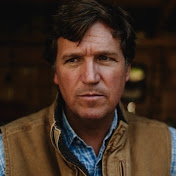
• Introduction • The Situation in Minneapolis • Federal and State Government Conflict • Political Motivations Behind the Chaos • The Role of Protesters and Their Profile • Manipulation and Organized Agendas • Minnesota's Political Leadership and Their Influence • The Mayor of Minneapolis and the Consequences • Broader Context of Illegal Immigration and National Security • Race, Religion, and Cultural Factors • Law Enforcement and the Rule of Law • Historical Parallels and Civil Conflict Risks • The Role of Federal Agencies and Institutional Interests • Options for Federal Response • Expert Perspective: Michael Schellenberger • Radicalization of the Left and Future Trajectories • The Need for Clear Communication and LeadershipIn this podcast episode, Tucker Carlson discusses the escalating unrest in Minneapolis, focusing on clashes involving ICE agents and protesters, local government responses, and broader implications for American society. He examines the political motivations behind the chaos, the role of federal and state authorities, and the risks of social and governmental breakdown. The conversation also includes insights from guest Michael Schellenberger on the complexities of law enforcement, activism, and the potential trajectory toward civil conflict.
The Situation in Minneapolis
The episode opens with a vivid depiction of Minneapolis descending into chaos, featuring videos of federal ICE agents trapped in a hotel, surrounded by hostile protesters, with no support from local police. Carlson emphasizes this is a stark example of disorder rarely seen up close by most Americans and warns that chaos poses greater threats than issues like illegal immigration or police brutality. He argues that chaos is a dynamic and destructive force, comparing it to a malignant cancer that must be excised before it becomes fatal. The ongoing unrest in Minneapolis serves as a microcosm of a nationwide unraveling of social and governmental order.
Federal and State Government Conflict
Carlson discusses a four-point proposal offered by the Trump administration to Minnesota officials, designed to restore order and protect federal agents. The demands included local police responding to emergencies involving federal agents, protecting those agents off duty, cooperating with federal requests to locate convicted illegal criminal aliens, and, in return, a substantial federal withdrawal of law enforcement presence. Minnesota officials, including Governor Tim Walz and Mayor Jacob Frey, reportedly rejected these proposals, leading to questions about their motives. Carlson asserts that the refusal signals a deliberate choice by state leaders to promote and sustain chaos instead of protecting citizens and federal law enforcement.
Political Motivations Behind the Chaos
The refusal by local officials to cooperate is explored as a politically charged strategy rather than a failure or oversight. Carlson accuses these leaders of wanting riots and unrest to fuel their own power, framing the disturbances as part of an intentional "color revolution" or internal insurrection against federal authority. This rebellion undermines the unity of the United States, risking civil war by fracturing the country into competing sovereignties where rule of law becomes selective. Carlson highlights the danger of elected officials encouraging violence and disorder, citing statements from Minnesota's governor and lieutenant governor that openly promote confrontation with federal agents.
The Role of Protesters and Their Profile
Carlson examines the makeup of the protesters, particularly focusing on Antifa participants. He portrays many as lost and damaged individuals—people disconnected spiritually, psychologically, and physically—who have been radicalized to serve an agenda of destruction. While emphasizing the genuine threat posed by extremist protesters, Carlson also urges the audience to remember their humanity, describing them as victims of broader societal failures as well as perpetrators. The ideological battle, he suggests, is deeply intertwined with issues of culture, identity, and political manipulation.
Manipulation and Organized Agendas
Throughout the episode, Carlson stresses that the unrest is not spontaneous but orchestrated by various groups with vested interests. He identifies two main beneficiaries: an out-of-power political class seeking to regain control by destabilizing the status quo, and federal law enforcement agencies that exploit chaos to justify expanding their power and reach. In this way, chaos is both a tool and an opportunity for those seeking political dominance or institutional growth. Carlson portrays the conflict as a power struggle masked as social justice or immigration debates.
Minnesota's Political Leadership and Their Influence
Minnesota's top political figures receive critical scrutiny, especially Governor Tim Walz and Lieutenant Governor Peggy Flanagan. Walz is described as exploiting the unrest for political gain, allegedly benefiting from increased violence and chaos while publicly stoking fear through extreme rhetoric referencing historical atrocities. Flanagan actively encourages direct, bodily resistance to federal law enforcement, advocating nonviolent direct action that nevertheless puts people in harm's way alongside illegal immigrants who, according to Carlson, often have violent criminal backgrounds. Both are portrayed as key architects of the conflict rather than mere bystanders.
The Mayor of Minneapolis and the Consequences
Mayor Jacob Frey's role is also dissected. Carlson paints Frey as an opportunist with no deep connections to the city who leverages the turmoil to increase his own prominence. Rejecting federal assistance and encouraging protests directly undermines public safety, he argues. Frey's refusal to accept federal help or ensure protection for ICE officers exacerbates the violence and chaos. Carlson frames this as a betrayal of the responsibilities incumbent upon municipal leadership to ensure security and lawfulness.
Broader Context of Illegal Immigration and National Security
The discussion expands to federal immigration policies and their consequences, focusing on the Biden administration's handling of mass migration following the Afghanistan withdrawal. Carlson raises concerns about the failure to properly vet incoming refugees, noting the refusal to adopt biometric identification for millions entering the country. He questions the rationale behind allowing such large, undocumented influxes, suggesting this is part of a broader strategy to alter demographics, influence electoral outcomes, and potentially destabilize the nation further. The lesson drawn is that this uncontrolled migration contributes to the security and social disorder evident in places like Minneapolis.
Race, Religion, and Cultural Factors
Carlson touches on deep-seated cultural conflicts fueling the unrest, especially tensions involving race and religion. He highlights the hostility directed toward white Christians among some political and activist elites, emphasizing that this platform animates much of the current turmoil. The violence toward churches and the absence of legal protection against attacks on religious gatherings showcase what he calls a tribalistic mindset that rejects universal rights and consistent legal standards. He implicates state officials like Minnesota Attorney General Keith Ellison in dismissing protections for white Christian communities, framing the conflict as more than political—it is a cultural and spiritual battle.
Law Enforcement and the Rule of Law
The episode critiques the breakdown of law enforcement cooperation and the rise of self-styled militias and activist groups interfering with official operations. Carlson, alongside guest Michael Schellenberger, notes that local authorities often refuse to assist federal agents, creating dangerous situations. Schellenberger describes how activist manuals and coordinated campaigns intentionally disrupt ICE operations, sometimes provoking violence that leads to casualties. This breakdown threatens the essential concept of state monopoly on legitimate violence, leaving a vacuum filled by militias or partisan actors, complicating the restoration of order and respect for the rule of law.
Historical Parallels and Civil Conflict Risks
Comparisons are drawn to the civil rights struggles of the 1960s, with Carlson noting that past resistance to federal authority in the South was ultimately overcome by forceful intervention. Now, resistance comes from the opposite political end and embraces chaos rather than reform. The potential for the country sliding into civil war is prominently highlighted, with Carlson warning that fragmented loyalties, selective enforcement of laws, and refusal to recognize federal authority threaten America's unity and survival. The tensions in Minneapolis symbolize this broader national risk.
The Role of Federal Agencies and Institutional Interests
Federal law enforcement and intelligence agencies are characterized as entities that thrive on disorder, using chaos to justify power expansion. Carlson warns against blind trust in government institutions, referencing the politicization of events like January 6 and aggressive investigations against political figures as evidence of institutional overreach and manipulation. He notes alarming practices such as the National Guard recruiting children of illegal aliens, which raises questions about loyalty and the willingness of the state to enforce order impartially.
Options for Federal Response
Carlson outlines three possible federal responses to the Minnesota unrest. The first is invoking the Insurrection Act to deploy military force to restore order, though this carries high risks of escalation and casualties. The second is targeting the political leaders behind the unrest for arrest, focusing on those orchestrating violence rather than the protesters themselves, though prosecution faces hurdles like jury nullification. The third option involves a financial siege—cutting off federal funds to Minnesota to force compliance, effectively quarantining the state. However, all options encounter legal and political obstacles that complicate decisive action.
Expert Perspective: Michael Schellenberger
Guest Michael Schellenberger offers an analysis informed by experience in activism and security. He emphasizes the high degree of organization behind anti-ICE actions in Minneapolis, highlighting manuals, communication networks, and support from Democratic officials. Schellenberger draws a distinction between traditional nonviolent civil disobedience and the more aggressive, provocational tactics now employed, likening them to guerrilla warfare strategies designed to provoke government overreaction. He underscores the tragic use of activists as "cannon fodder" and the calculated nature of these disruptions. Schellenberger calls for measured federal enforcement that includes local cooperation and criticizes both radicalized left-wing activists and complacent or complicit political leaders.
Radicalization of the Left and Future Trajectories
Schellenberger observes a radicalization of the Democratic Party, increasingly aligned with extreme left agendas that reject law and order, advocate open borders, and aim to dismantle core Western institutions. He traces origins of these beliefs to a narrative that views Western civilization as fundamentally corrupt, fueling a desire to unmake it in favor of anarchism or communism. He notes a sharp rise in black-and-white thinking within the left, where opponents are labeled Nazis or fascists, justifying extreme tactics and violence. This hostility extends into culture war conflicts over race, policing, and immigration. The guest warns this trajectory risks deepening chaos and undermining democracy.
The Need for Clear Communication and Leadership
Both Carlson and Schellenberger stress the importance of clear, empathetic communication from federal leadership. They call for the President to address the nation honestly about the challenges, acknowledging legitimate grievances and failings while reaffirming the rule of law and the agenda voters elected. They caution against inflammatory rhetoric from any side, including unjust dehumanization of victims or disparagement of protesters, advocating instead for balanced understanding and responsible federal enforcement that avoids escalating violence. The episode closes with a sober view of the precarious moment facing American society and governance.
Full episode
Episode summary