How to Gain Control of Your Free Time: 9 Simple Hacks to Manage Your Time
Introduction
Table of contents
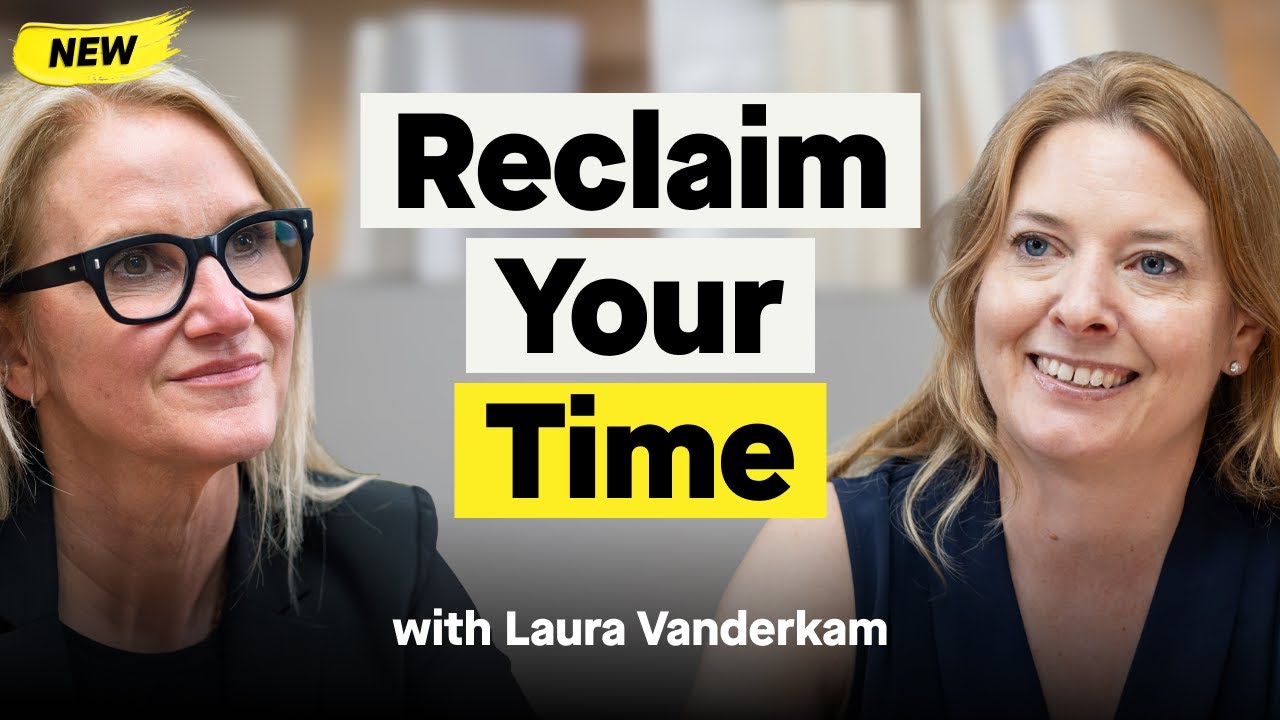
• Introduction • The Myth of Having No Free Time • The 168-Hour Framework • Rule 1: Give Yourself a Bedtime • Rule 2: Plan on Fridays • Insights From Time-Tracking Studies • Rule 3: Move by 3 PM • Rule 4: Three Times a Week Is a Habit • Rule 5: Create a Backup Slot • Rule 6: One Big Adventure, One Little Adventure • Rule 7: Take One Night for You • Rule 8: Give Things Less Time • Rule 9: Effortful Before Effortless Fun • Overcoming Resistance and Final RecommendationsIn this podcast episode, host Mel Robbins is joined by time management expert Laura Vanderkam to explore practical ways for busy people to reclaim control of their free time. The conversation delves into common misconceptions about being "too busy," the reality of discretionary time available to most, and nine actionable rules to better manage time, increase energy, and ultimately experience a more balanced, fulfilling life. Laura shares insights from her extensive research on how people truly spend their hours and offers simple yet profound strategies to create space for the things we want to do, not just the things we have to do.
The Myth of Having No Free Time
Laura begins by addressing a pervasive belief: that many people feel they have no free time. Through studying thousands of schedules, she emphasizes that while most people don't have as much free time as they would like, very few have none. This distinction—between none and not enough—is critical because it opens the door to possibilities. Recognizing that some discretionary time exists paves the way to scale it up and make intentional choices about how it's used, even amidst a hectic schedule filled with work, family, and other responsibilities.
The 168-Hour Framework
Laura underlines the importance of viewing time through the lens of the entire week. With 168 hours total, subtracting a typical 40-hour workweek and 56 hours for sleep leaves about 72 hours for everything else—family, chores, leisure, and self-care. While that time isn't always fully "free," imagining it as a whole rather than fragmented days reveals greater potential for carving out moments for oneself. This broader view helps shift the mindset away from feeling chronically overwhelmed toward feeling hopeful about possible windows for personal fulfillment.
Rule 1: Give Yourself a Bedtime
The first of the nine productivity rules Laura teaches is to set a consistent bedtime. Even though many adults get a sufficient total amount of sleep over a week, the irregularity of sleep—large variations night to night—leaves people feeling tired and drained. A steady bedtime aligned with consistent wake times improves sleep quality and daily energy. Beyond the physical benefits, establishing a bedtime gives a clear end point to the day, which creates structure and empowers better choices in the evening hours. This control combats the vague feeling of "I'll rest when I finish my to-do list," reducing burnout and improving overall well-being.
Rule 2: Plan on Fridays
Laura encourages dedicating time on Friday afternoons to plan the upcoming week. This habit involves reflecting on what both needs to happen and what one hopes to see happen across three key life areas: career, relationships, and self. By intentionally prioritizing each category every week, individuals ensure a more balanced approach to their time, preventing one dimension of life from being neglected. Planning on Friday also reduces the anxiety often experienced on Sunday nights (the "Sunday scaries") because it turns wasted or low-energy time into a proactive moment of preparation, clearing the way for a calmer and more productive Monday.
Insights From Time-Tracking Studies
Laura emphasizes that self-reporting on time use is often inaccurate. People tend to overestimate the time spent on obligations (like work) and underestimate leisure or sleep, often remembering the toughest nights or days rather than the average. Her research shows that many underestimate how much discretionary time they actually have, while simultaneously overestimating how long tasks may take. This mismatch contributes to chronic stress and the feeling of being behind. Using time diaries to track reality is a powerful first step in regaining control and making better decisions about how time is allocated.
Rule 3: Move by 3 PM
Addressing energy slumps common in the mid-afternoon, Laura promotes short bursts of physical activity around 3 p.m. to boost mood and replenish energy. Even a brisk five-minute walk or light movement can increase perceived energy significantly and sustain better focus into the remainder of the day. Exercise doesn't just "take time"; it effectively "makes time" by enabling greater productivity in the hours afterward. This rule encourages people to reclaim control of their energy cycles rather than passively enduring tiredness.
Rule 4: Three Times a Week Is a Habit
Life is better managed weekly rather than daily, Laura explains, because routines don't need to be perfect daily to be meaningful. For example, exercising or having family dinners three times a week is more achievable and sustainable than an unrealistic daily goal. Viewing habits across a week allows individuals to build consistency without the self-judgment that often accompanies missed days, thus forming supportive identities around these positive behaviors.
Rule 5: Create a Backup Slot
Laura advocates building "rain dates" or backup times into schedules for important activities. Life inevitably disrupts plans—from unexpected errands to emergencies—so assigning alternative slots ensures that priorities still get addressed without spilling into future weeks or amplifying stress. This buffer preserves momentum and provides peace of mind by acknowledging that flexibility is essential to realistic time management.
Rule 6: One Big Adventure, One Little Adventure
To prevent weeks from blending into monotony, Laura advises integrating both a "big" and a "little" adventure each week—activities that break routine and create memorable experiences. These don't require grand gestures but can be small acts like visiting a new café, taking a short day trip, or trying a new hobby. Having these moments enriches life's texture, making time feel fuller and more meaningful, while shifting the narrative from mere survival to engaged living.
Rule 7: Take One Night for You
Among all the rules, this one tends to meet the most resistance: setting aside at least one evening weekly solely for oneself. Laura highlights the power of committing to something enjoyable outside of work and caregiving, ideally an activity involving others, to increase accountability. Doing so creates a vital self-care anchor that fosters identity beyond responsibilities and transforms life by reinforcing that personal fulfillment is not selfish but necessary. She acknowledges challenges especially for caregivers but insists with support and creativity, carving out this time is both possible and life-changing.
Rule 8: Give Things Less Time
Laura discusses the mental overload many experience from juggling numerous small tasks and to-dos. She suggests batching these smaller, lower-energy tasks during specific periods, such as a "Friday punch list" session, which frees up mental space for more meaningful work at other times. Strategically clustering quick tasks also improves efficiency by reducing switching costs and prevents procrastination patterns where small tasks distract from larger ones.
Rule 9: Effortful Before Effortless Fun
Differentiating between effortless fun (like scrolling social media) and effortful fun (activities that require some planning or intention but offer greater fulfillment), Laura encourages shifting habits to prioritize the latter. This might mean choosing to read an engaging book during idle moments before defaulting to phone distractions. Even brief engagement in effortful fun can spark a positive feedback loop that leads to more intentional use of free time, combating the trap of passive time-wasting that often fuels dissatisfaction.
Overcoming Resistance and Final Recommendations
Laura identifies taking "one night for you" as the hardest rule for busy people to embrace due to fears about responsibilities falling apart without them. She encourages listeners to challenge these narratives and seek support systems to make this doable. If listeners could adopt only one or two rules, she highlights the transformative power of a consistent bedtime combined with weekly planning sessions, which together deliver significant improvements in control, energy, and overall satisfaction. Ultimately, knowing where time truly goes enables purposeful choices that make the hours count toward the life individuals want to lead.
Full episode
Episode summary