Introduction
Table of contents
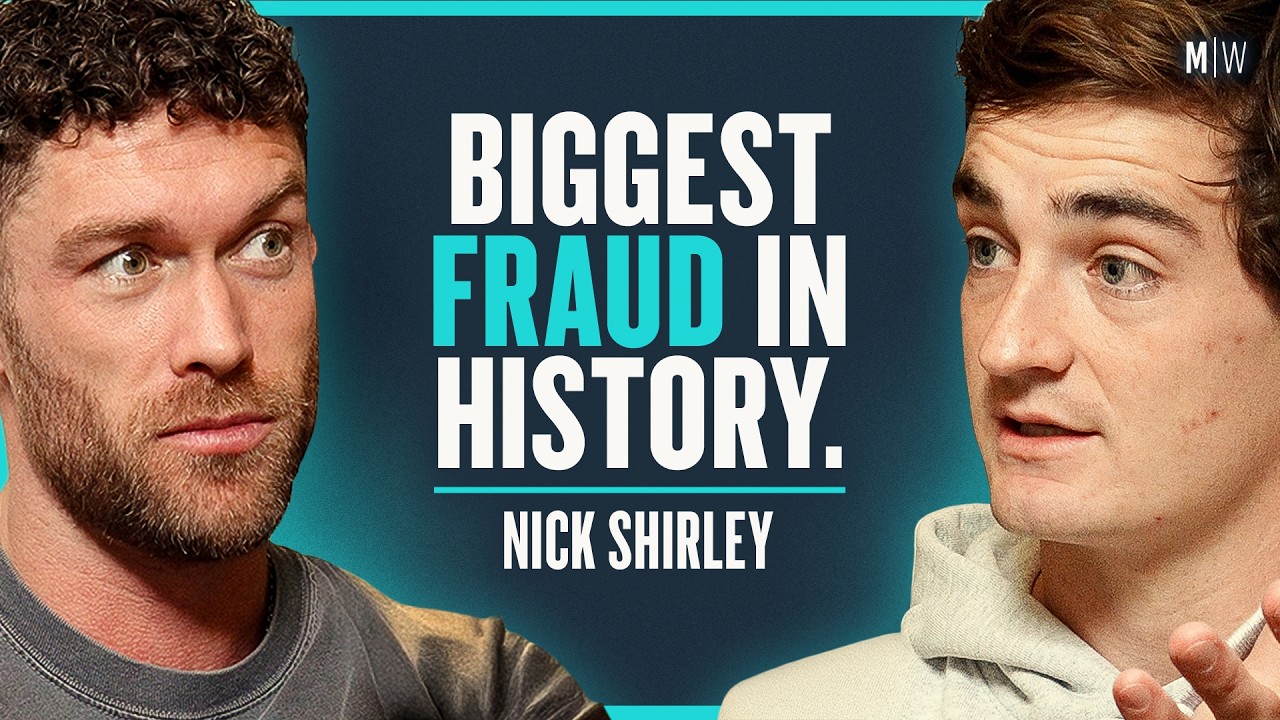
• Introduction • Unfolding of the Investigation and Viral Impact • The Role of Tim Walz and Political Implications • Anatomy of the Fraud Scheme • The Somali Community and Local Dynamics • Government Response and Freezing of Funds • Challenges in Law Enforcement and Media Reaction • Personal and Security Challenges • Expansion Plans and Future Investigations • Political Developments and New Enforcement Measures • Advice and Outlook for Investigative Journalism • Broader Societal and Cultural ReflectionsIn this podcast episode, Nick Shirley discusses his investigation into a widespread welfare fraud scheme centered in Minnesota, which has had significant political, legal, and social repercussions. The conversation covers the origins of the investigation, the key players involved, the mechanisms of the fraud including daycare and adult care facilities, and the broader impact on communities and government response. Nick also touches on personal challenges he faced as a content creator exposing the matter, the reactions of mainstream media and politicians, and the ongoing efforts to combat corruption associated with the scheme. Additionally, Nick shares insights from his experiences filming in high-risk environments and his vision for future projects.
Unfolding of the Investigation and Viral Impact
Nick Shirley explains that the fraud story evolved from his initial trip to Minnesota where he planned to cover the rise of Islam in the Somali community but was directed toward investigating welfare fraud due to local tip-offs. After connecting with a longtime researcher named David who possessed critical data on childcare assistance programs, Nick produced an exposé revealing daycare centers receiving millions of dollars in government funds despite lacking any children on-site. The video quickly went viral, amassing over 100 million views in just 72 hours and drawing attention from prominent figures including Elon Musk and major politicians. This sudden surge thrust Nick into the public and political spotlight, with invitations to testify before Congress and contacts from federal agencies.
The Role of Tim Walz and Political Implications
Nick details the political fallout from his video, particularly the impact on Minnesota Governor Tim Walz. According to Nick, Walz had been aware of fraud concerns for years but failed to take effective action, even allegedly enabling the misconduct. After the video exposed the issue, Walz reportedly responded by attacking Nick personally, labeling him a white supremacist and conspiracy theorist. Yet shortly thereafter, Walz announced he would not seek reelection, a decision Nick attributes directly to the revelations and ensuing scandal. The host and guest discuss the political calculations behind this shift, emphasizing how accountability struggles complicate governance and how politicians balance optics with substantive action amid corruption allegations.
Anatomy of the Fraud Scheme
Nick breaks down the complex system enabling fraud around Minnesota's childcare funding. Government funds, primarily through Health and Human Services, allocate hundreds of millions of dollars to child care, autism programs, adult daycare, and assisted living facilities. Fraudsters establish business fronts—daycare centers and adult care homes—that often operate out of warehouse-style buildings with blacked-out windows and show few or no actual clients present. Payments are made without adequate oversight, licenses are often minimal or nonexistent, and violations frequently go unpunished due to systemic bureaucratic failure. The use of cash payments to unregistered employees adds opacity, enabling tax evasion and further fraud. Nick also highlights the role of "non-emergency transportation" companies, which bill for transporting clients to and from these facilities despite often running empty vans, providing fictitious documentation to sustain fraudulent claims.
The Somali Community and Local Dynamics
The conversation addresses the demographic focus of the fraud, noting that approximately 80,000 to 200,000 Somali immigrants in Minnesota have densely populated certain neighborhoods, effectively creating cultural enclaves. Nick discusses sensitive topics including the heavy welfare reliance reported among the community, estimated at over 80%, and the claim that 89% of identified fraud cases within the state involve Somali individuals. He stresses this is not a condemnation of the entire community but related to those exploiting the system. The political response has been complicated by concerns over racial and religious sensitivities, leading to accusations against whistleblowers like Nick of racism or extremism, effectively silencing discussions on fraud at times. The podcast touches on broader issues of political correctness, immigration law complexity, and cultural cohesion as they relate to the unfolding scandal.
Government Response and Freezing of Funds
Following the viral exposure of the welfare fraud, Minnesota authorities have taken unprecedented action by freezing all childcare funding statewide until businesses can prove their legitimacy. This freeze is described as a double-edged sword since it pressures fraudulent operations but also risks disrupting legitimate daycare providers and families needing care. To regain funding, businesses must provide verifiable proof of actual care services, such as video evidence or documented enrollment numbers matching claimed capacities. Nick notes that as of the recording date, no facilities had successfully cleared this verification process. The broader investigatory efforts include federal involvement, numerous subpoenas, and indictments focusing primarily on the Minnesota fraud but with plans to expand scrutiny nationwide.
Challenges in Law Enforcement and Media Reaction
Nick shares frustrations about the challenges in tracking and prosecuting fraud due to opaque financial flows, cash payments, and internal complicity within government offices. He describes both Republican and Democrat officials' mixed responses—some reluctant or slow to act, others aggressively pursuing cases. Media reaction was notably hostile initially, with many outlets focusing criticism on Nick himself rather than investigating the fraudulent activities he exposed. The podcast discusses the tensions between independent investigative journalism and legacy media, highlighting how agility and direct engagement can bring rapid change but also attract harsh scrutiny, misinformation campaigns, and political attacks.
Personal and Security Challenges
The rapid rise to prominence caused by this investigation came with serious personal costs for Nick Shirley. He recounts receiving death threats, doxing incidents, and a constant need for 24/7 security protection arranged through nonprofit support. Emotional stress and physical exhaustion are recurring themes as Nick navigates navigating hostile environments, confrontations with communities, and political backlash, all while maintaining his commitment to producing further investigative content. The podcast underscores the risks faced by independent journalists exposing corruption and the psychological toll of becoming a public figure in a polarized environment.
Expansion Plans and Future Investigations
Nick confirms that a second part of the investigation has already been filmed, focusing primarily on the role of non-emergency transportation companies in perpetuating the fraud. These companies create fictional trips to bolster childcare and adult care claims, costing the state about $2 million daily. He also mentions potential investigations in other states such as California, Ohio, and New York, which face similar welfare fraud concerns. Beyond fraud, Nick discusses past reporting experiences in high-risk locations like El Salvador's maximum-security prison system (known as SECOT), showing his broader journalistic interests and adventurous style.
Political Developments and New Enforcement Measures
In follow-up to the revelations, JD Vance announced the creation of a new Assistant Attorney General position dedicated exclusively to combating fraud nationwide, beginning with Minnesota. This role involves coordinating a multi-agency task force, issuing subpoenas, and pursuing indictments against those defrauding taxpayer-funded social programs. Nick regards this institutional response as proof of the impact his video had on policy and enforcement, calling it a historic moment where journalism directly prompted significant government action.
Advice and Outlook for Investigative Journalism
Throughout the episode, practical advice is given regarding conducting sensitive investigations—emphasizing thorough due diligence, careful interpersonal approaches, and avoiding confrontational tactics. The importance of authenticity and low-profile filming techniques is stressed to maintain natural interactions and obtain genuine responses. Nick reflects on the necessity to adapt workflows, improve fact-checking rigor, and build support teams to handle the increasing volume of engagements and potential legal risks. The host also encourages Nick to safeguard his well-being by getting proper rest and delegating more tasks, highlighting sustainability in activism and journalism.
Broader Societal and Cultural Reflections
The episode closes with reflections on the societal implications of welfare fraud, immigration policy, and political correctness. Nick questions the balance between protecting vulnerable communities and enforcing laws equitably, stressing the urgent need for transparency and accountability. The discussion also touches on the emotional impact of prison conditions in places like El Salvador and how systemic challenges vary globally. Finally, Nick expresses hope that exposing fraud can revive taxpayer trust, restore fairness, and help America build a better future for succeeding generations.
Full episode
Episode summary